
15 Tactical Tips Every Person Should Know (Tactical Lifestyle & Everyday Safety Guide)
A tactically sound mindset isn’t only for army units, police workers or adventure seekers. In real life, being “tactical” means staying aware, prepared, disciplined, and calm. Whether you’re travelling, commuting, riding, trekking, or simply moving through crowded city areas, tactical habits reduce risk, improve confidence and help you to stay focused.
This blog shares 15 tactical tips every person should know, written for everyday life in India — practical, realistic, and easy to apply.
1) Practice Situational Awareness (Your #1 Safety Skill)
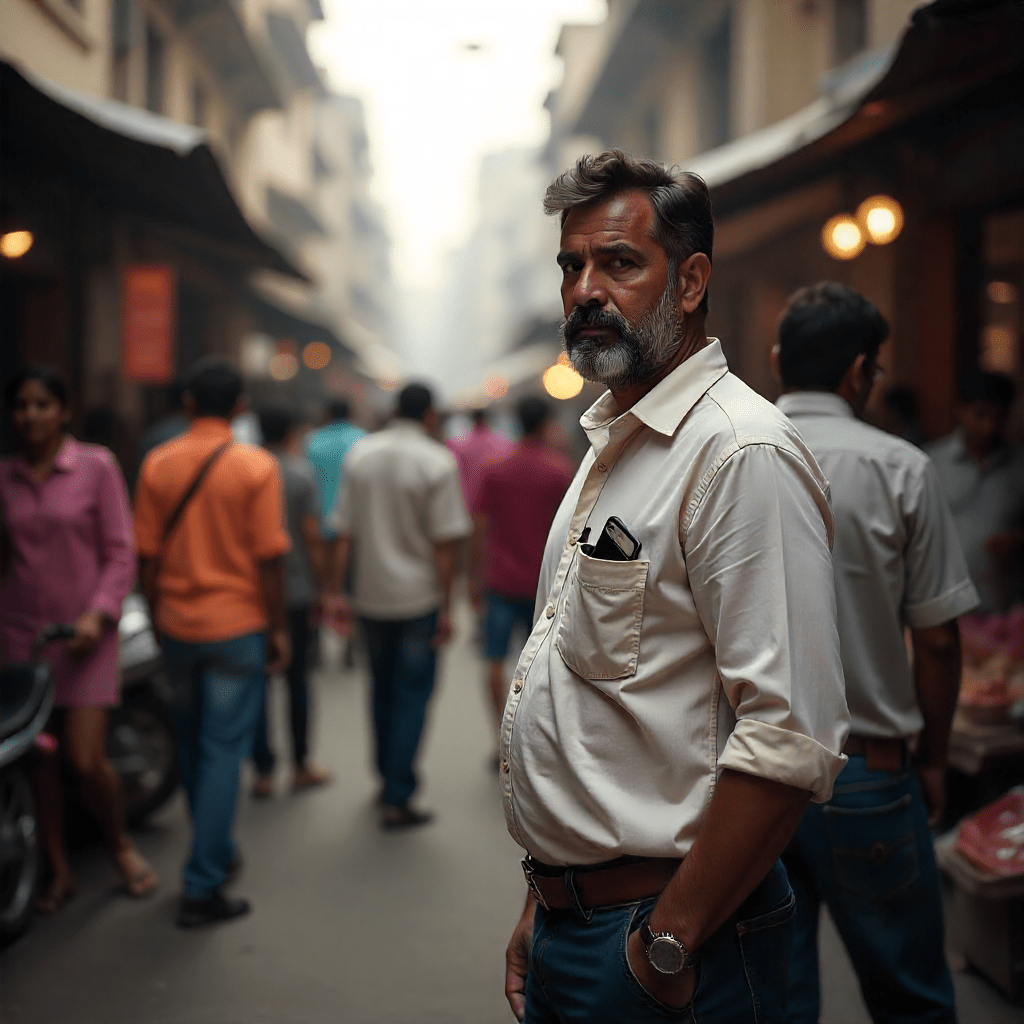
Situational awareness means noticing what most people miss — without fear or paranoia. This skill is the number 1 skill because being aware at all times helps people to deal with problems more carefully and find their solutions in a short period of time.
You should Be aware of:
- People: who is watching, approaching, or moving unusually, there is a potential risk of harm to yourself.
- Environment: poorly lit zones, isolated corners, narrow lanes, environment around you should be safe and non harming.
- Noise changes: sudden silence or sudden loud movements.
- Movement patterns: someone matching your speed or direction repeatedly.
2) Don’t Walk Like an Easy Target
Your posture and pace influence how others perceive you. You always have to be aware of how your body moves, how your posture is looking, REMEMBER! To never let your body go lose.
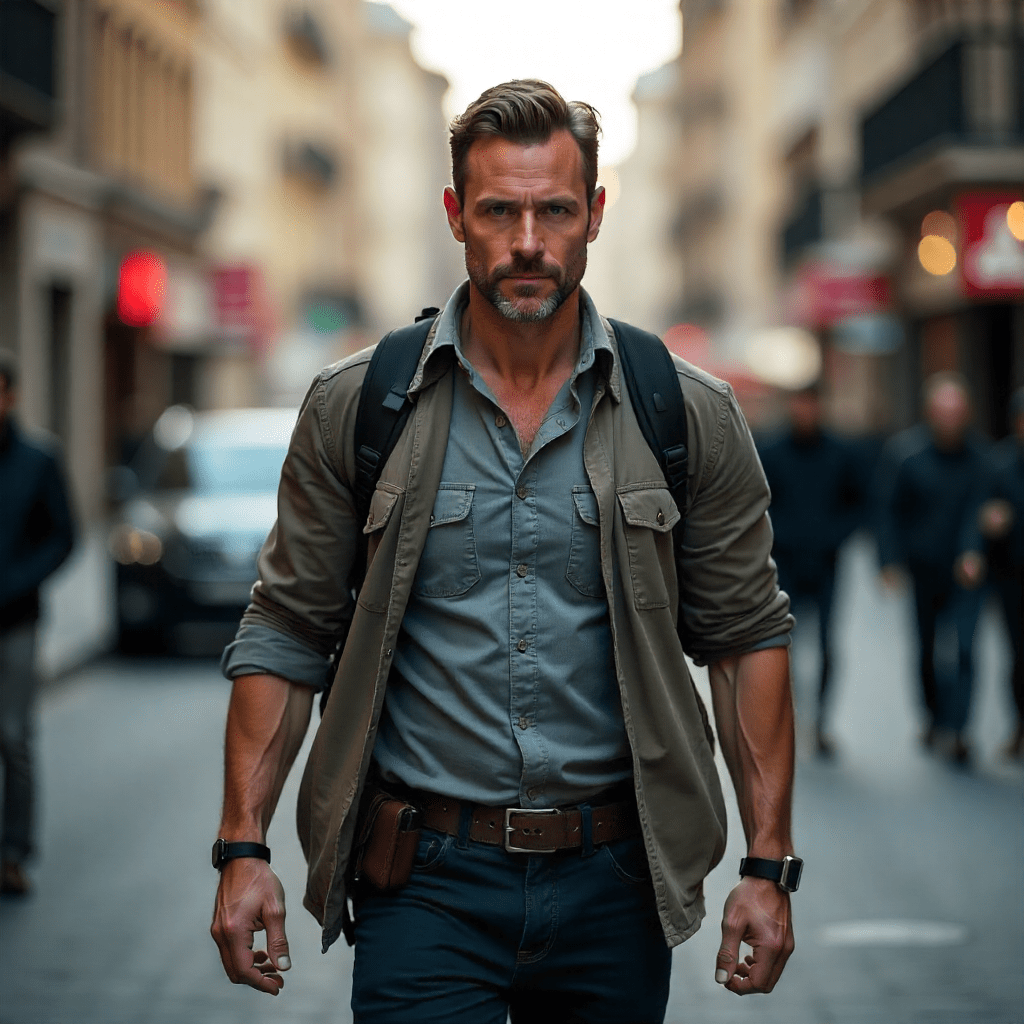
Tactical body language basics:
- Walk with a steady pace (not too slow, not rushed).
- Keep shoulders open and upright, not slouched.
- Avoid “lost behaviour” (suddenly stopping, turning multiple times).
- Keep your eyes scanning ahead, not down at your feet.
3) Keep One Hand Free in Public
Hands are your first line of control. If both hands are occupied, reaction time becomes slow.
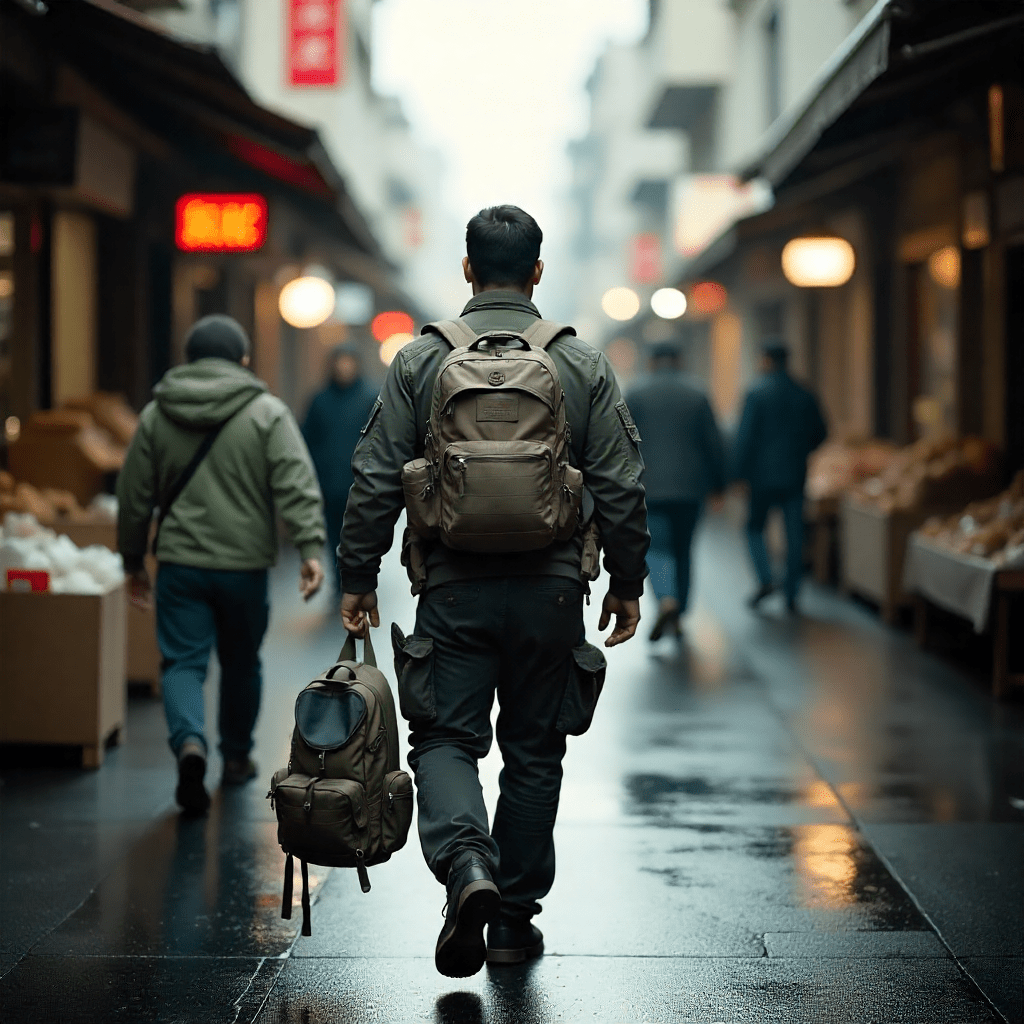
Good habits:
- Carry bags in one hand only, not both.
- Don’t text while walking in busy areas.
- If using your phone, step aside into a safe spot.
- Keep your dominant hand free in crowded zones.
4) Use the Exit Awareness Habit (Always Know Your Exit)
Professional teams always locate exits. You should too.
When entering any place, quickly spot:
- Main exit + alternate exit.
- Staircases and emergency stairwells.
- Security desk / staff counter.
- Safe open areas (less crowded zones).
5) Position Yourself Smartly in Crowds
Tactical positioning reduces risk. Stay away from low crowded and shady areas to safeguard yourself from harm or potential threats.
Best positioning rules:
- Avoid standing with your back facing open crowds.
- Prefer a spot where you can see entry + exit.
- Don’t stand near bottlenecks like narrow gates or escalator ends.
- In waiting areas, choose edge positions, not the centre.
6) Maintain a Safety Distance from Strangers
Most street-level problems begin when people get too close. Try to stay away from strangers that seem too friendly, sometimes those are the most dangerous ones!
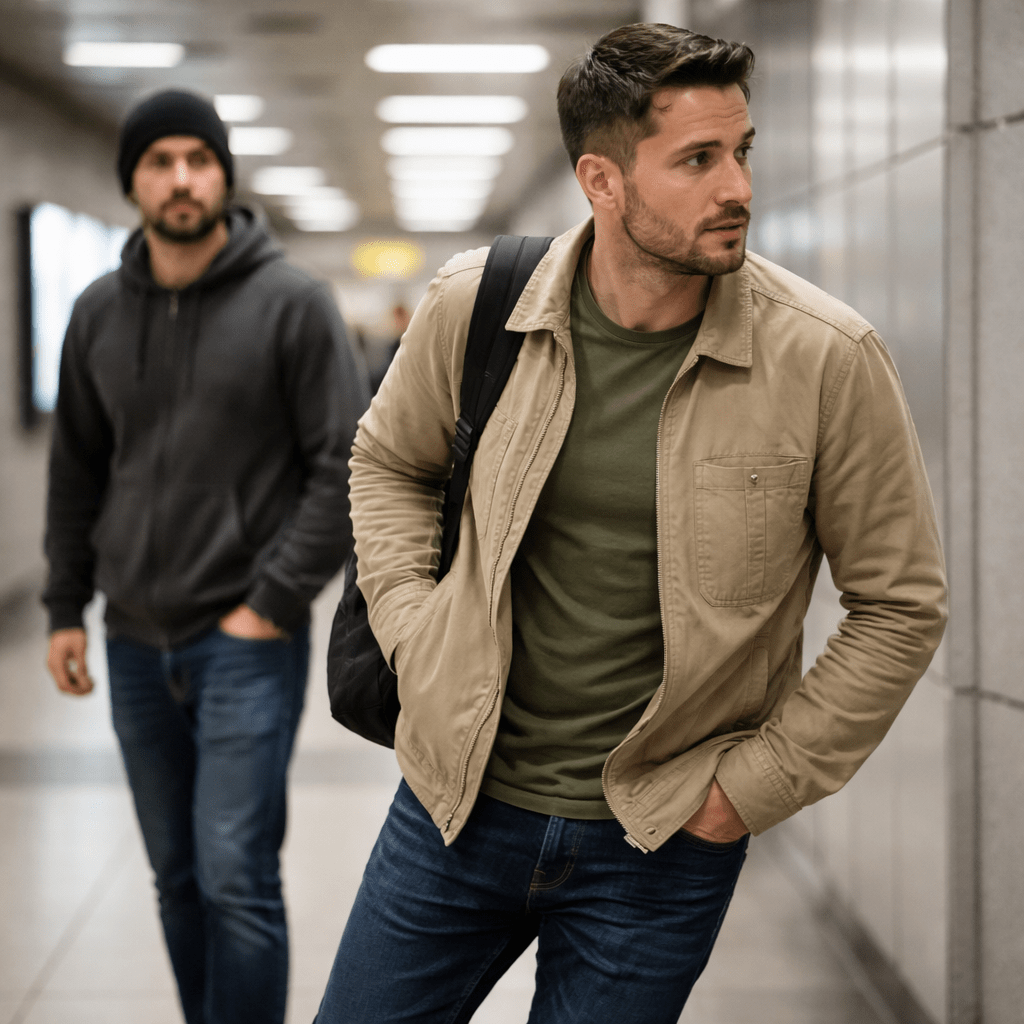
Personal space rule:
- Keep at least one arm’s length distance from strangers.
- If someone steps too close, step sideways (not backwards only).
- Avoid direct confrontational staring — stay calm, move away.
- If uncomfortable, move toward light, people ,cameras etc.
7) Build a Proper Everyday Carry (EDC) System
A tactical lifestyle includes readiness. EDC = Everyday Carry.
Simple EDC essentials (India-friendly):
- Mini torch (for power cuts, dark lanes, parking areas).
- Power bank (10,000 MAH minimum for travel days).
- Water bottle (hydration prevents fatigue + dizziness).
- Basic first-aid: band-aids, antiseptic wipes, pain relief.
- Emergency cash (₹200–₹500 notes, separate from wallet).
Optional: multitool (useful for travel + outdoor use).
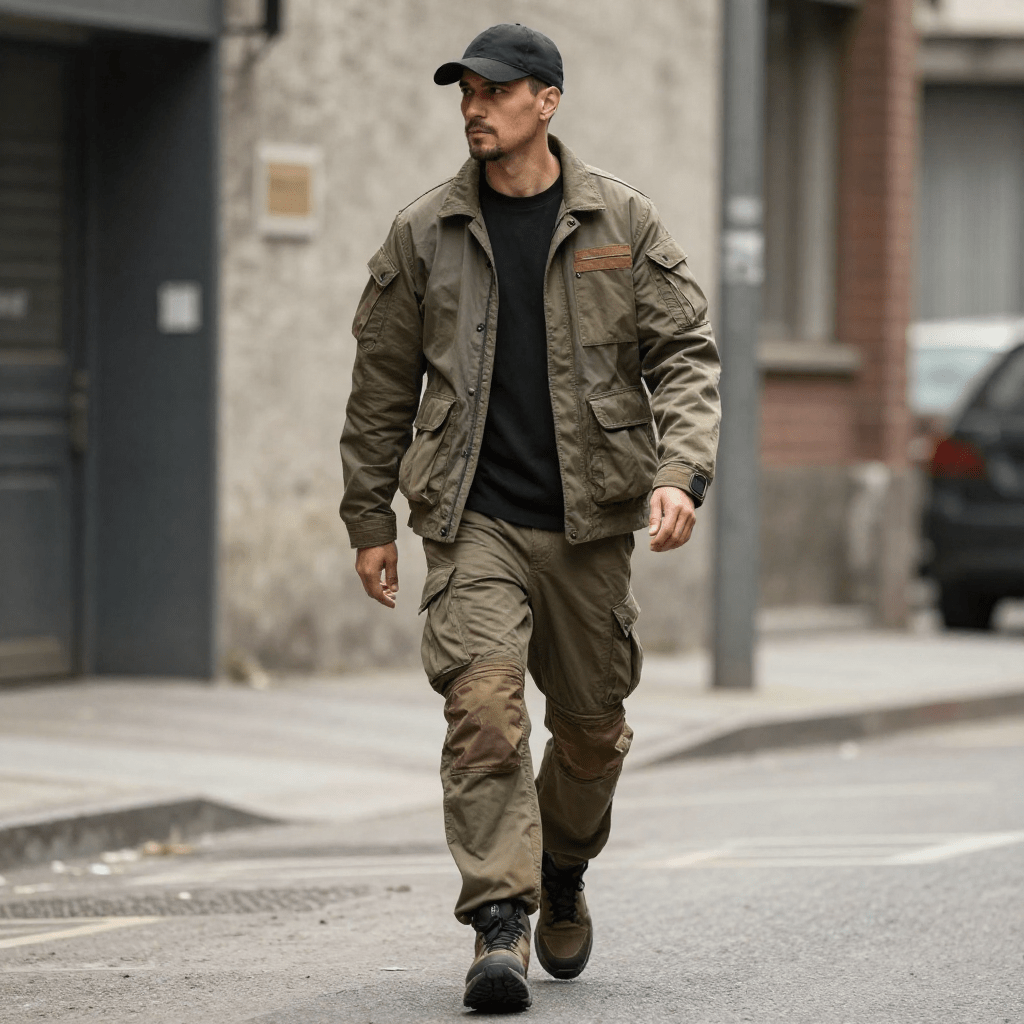
8) Dress for Function and Mobility (Not Only Style)
Tactical clothing is trending because it’s practical.
Functional dressing tips:
- Choose pants that allow movement: cargos / trekking pants / durable joggers.
- Wear shoes with good grip (avoid flat slippery soles).
- Use a strong belt (cheap buckles fail under stress).
- Prefer clothing with pockets that can actually hold essentials.
- For travel: wear neutral colours (less attention, more versatility).
9) Layer Your Clothing Like Professionals (For Travel & Winter)
Layering keeps you warm without heavy bulky jackets.
Best tactical layering method:
- Base layer: sweat control (dry-fit/thermal).
- Mid layer: warmth (fleece or hoodie).
- Outer layer: protection (softshell jacket/windproof).
- Add-ons: neck gaiter and gloves for wind.
10) Keep Your Phone Set Up for Safety
Your phone is your emergency tool.
Tactical phone settings:
- Keep emergency contacts on lock screen.
- Enable SOS features (Android/iPhone).
- Keep location sharing ON with trusted contact during travel.
- Download offline maps for long rides/treks.
- Keep battery above 30% before stepping out.
11) Don’t Depend 100% on Google Maps
Phones fail and signals drop—especially on highways and mountains.
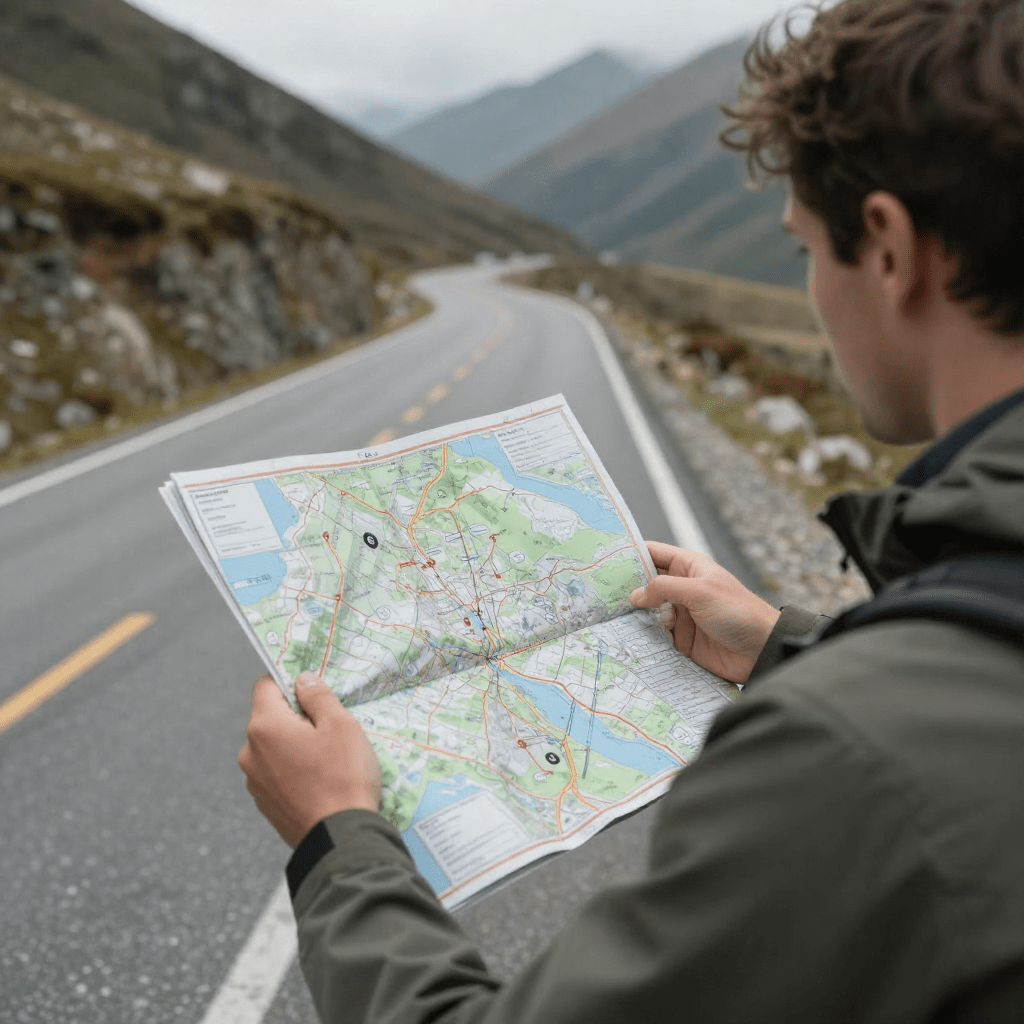
Navigation habits:
- Note 2–3 landmarks during travel.
- Save the location pin before entering remote roads.
- Ask locals at fuel stations or shops (more reliable).
- Keep routes simple: main roads are safer than shortcuts.
12) Use the 360° Scan Technique (Small Habit, Big Safety)
Every few minutes, do a calm scan.
What to scan:
- Vehicles slowing down near you.
- People approaching too fast.
- Anyone matching your speed repeatedly.
- Suspicious behavior (hidden hands, constant watching).
This becomes natural with practice and keeps you alert.
13) Trust Your Gut Feeling (It’s Tactical Intelligence)
Instincts protect you before logic catches up.
If something feels wrong:
- Exit immediately without explaining.
- Don’t wait “to confirm.”
- Change route and move to populated areas.
- Call someone or enter a shop.
14) Avoid Predictable Routines
Predictability increases risk.
Smart routine tips:
- Change route sometimes (especially at night).
- Avoid using the same isolated shortcut daily.
- Don’t reveal live location publicly on social media.
- Keep travel plans private until you reach.
15) Build Tactical Fitness (Practical Strength + Stamina)
Real fitness improves daily performance and confidence.
Tactical fitness basics:
- Stamina: run/walk 20–30 mins, 4–5 days/week.
- Strength: push-ups, squats, pull-ups.
- Mobility: stretching 10 mins/day.
- Grip: carry heavy bags, farmer walk, basic dead hangs.
Tactical is not a look. It’s a lifestyle of awareness, discipline, and readiness. These 15 tactical tips help you stay safer, travel smarter, and feel confident in daily life — whether you’re in crowded cities, highways, mountains, or outdoor adventures.