
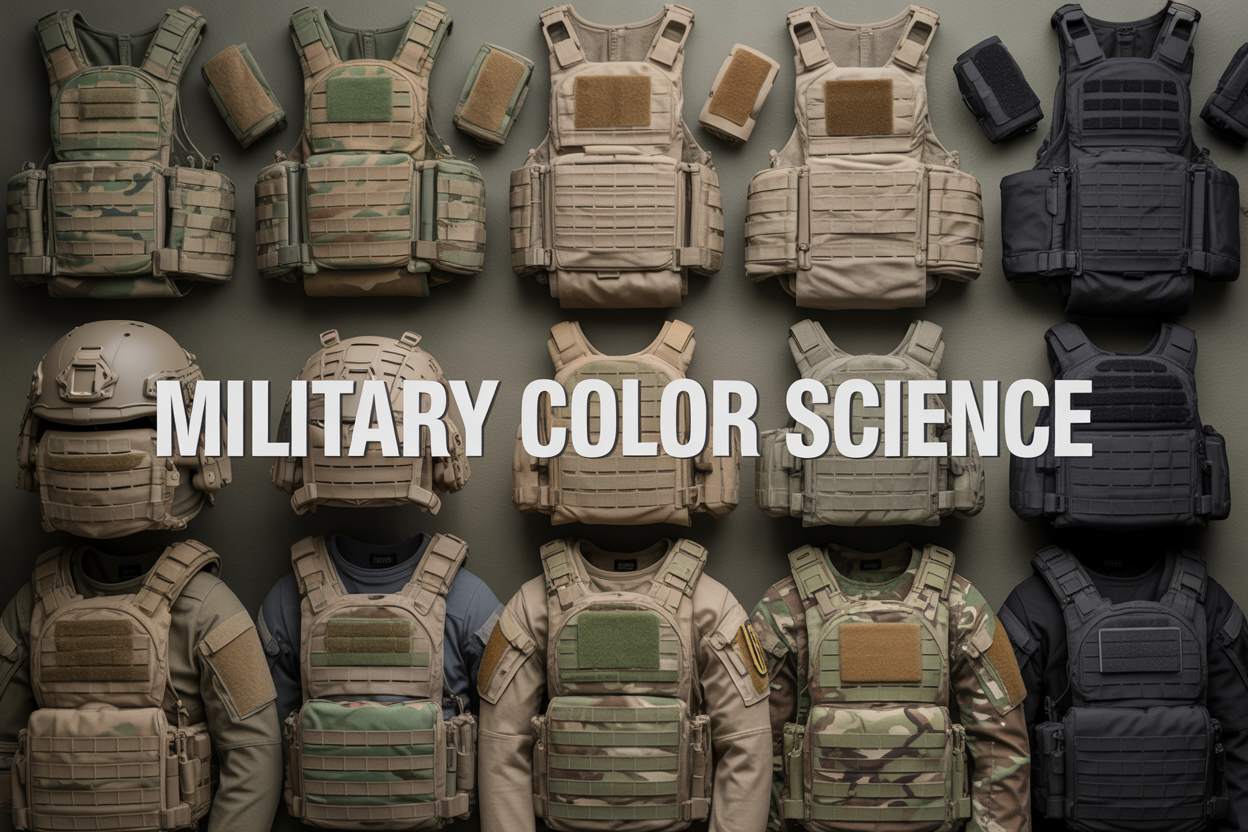
Military colors aren’t random choices—they’re carefully engineered for survival and mission success. This guide explains the science behind tactical gear colors for military personnel, outdoor enthusiasts, and anyone curious about why certain shades dominate rugged gear and trekking gear selections.
You’ll discover how camouflage colors evolved from basic concealment needs into sophisticated color science. We’ll break down why tactical gear manufacturers choose specific earth tones for desert operations and darker shades for urban environments. Finally, you’ll learn how modern technology shapes today’s best tactical clothing color innovations and what makes certain combinations so effective in the field.
The colors on your tactical gear could mean the difference between being seen and staying hidden—and now you’ll know exactly why each shade matters.
The Foundation of Camouflage Colors in Military Operations
How Natural Environment Patterns Shape Color Selection
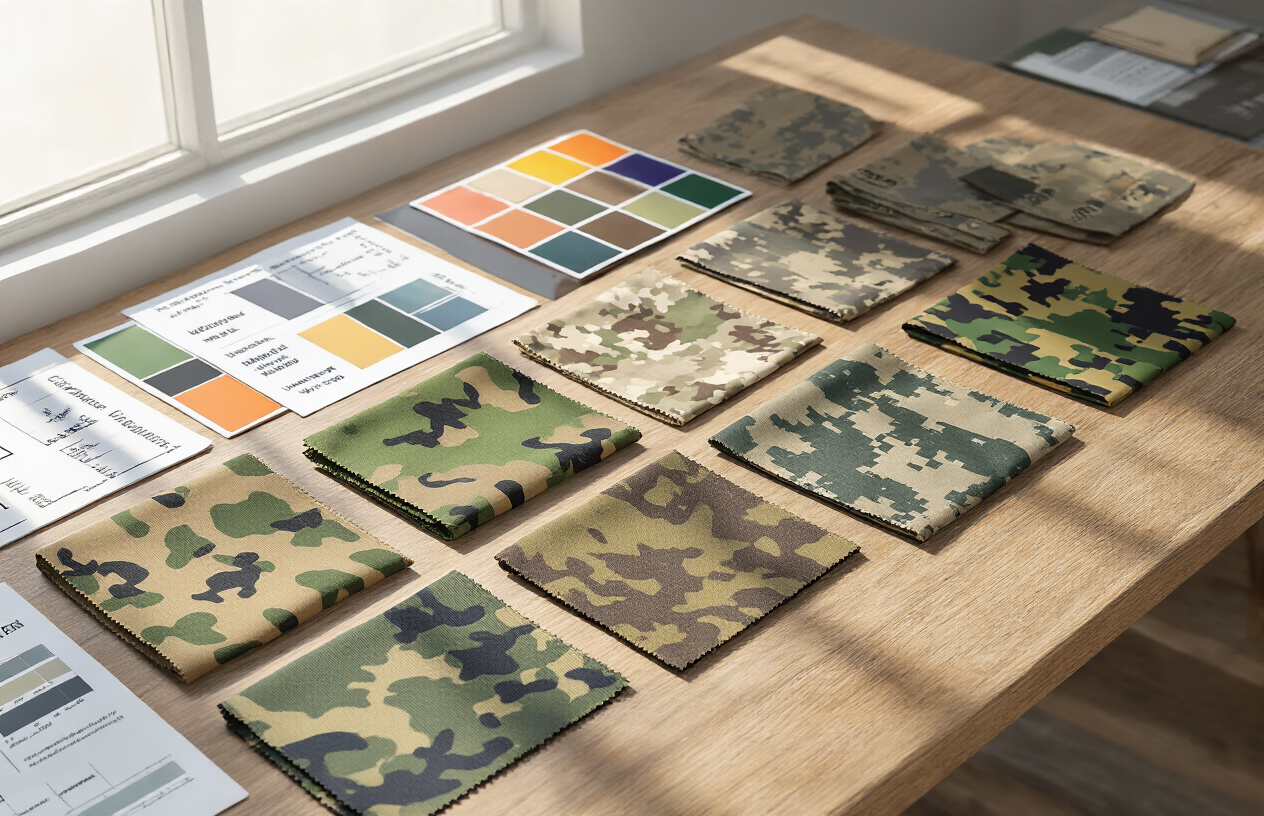
Military color selection isn’t random—it’s a direct response to the environments where soldiers operate. The natural world provides the blueprint for effective camouflage, with each ecosystem demanding specific color combinations to achieve visual disruption.
Dense forests create complex light patterns where deep greens dominate, but brown bark, gray shadows, and occasional yellow highlights from filtered sunlight all play crucial roles. Tactical gear manufacturers study these natural color distributions meticulously, analyzing how different vegetation creates visual textures. Pine forests might require darker, more saturated greens, while deciduous woodlands need lighter, more varied green tones mixed with browns and tans.
Desert environments present entirely different challenges. The sandy terrain reflects harsh sunlight, creating bleached-out appearances that change dramatically from dawn to dusk. Trekking gear designed for these conditions incorporates multiple tan and brown variations to match the shifting color palette of arid landscapes.
Urban environments complicate color selection because they combine natural and artificial elements. Concrete gray, brick red, steel blue, and asphalt black create a unique color signature that traditional woodland patterns can’t address effectively.
| Environment Type | Primary Colors | Secondary Colors | Light Conditions |
|---|---|---|---|
| Dense Forest | Dark Green, Brown | Gray, Black | Filtered, Low Light |
| Open Woodland | Medium Green, Tan | Yellow, Brown | Variable Light |
| Desert | Tan, Sand | Brown, Gray | High Intensity Light |
| Urban | Gray, Black | Brown, Blue | Artificial Mixed Light |
The Evolution from Single Colors to Multi-Pattern Designs
Early military uniforms used solid colors—British red coats, Prussian blue, American Revolutionary gray. These choices prioritized unit identification over concealment. The shift toward camouflage began during the late 19th century when warfare became more lethal and concealment meant survival.
World War I marked the first widespread adoption of camouflage patterns. French forces pioneered “horizon blue,” while Germans experimented with field gray. These weren’t true camouflage patterns but represented the first acknowledgment that color could provide tactical advantage.
The breakthrough came with understanding that nature doesn’t use solid colors. Tree bark combines multiple browns, grays, and blacks in irregular patterns. Leaves show various green shades with highlights and shadows creating complex visual textures. Tactical applications began incorporating these multi-tonal approaches.
Modern tactical clothing uses sophisticated pattern development. Computer algorithms analyze thousands of environmental photographs to determine optimal color combinations and pattern scales. The result is gear that disrupts human outline recognition while matching specific operational environments.
Pattern scale matters enormously. Large patterns work well at distance but fail up close. Small patterns excel in close-quarters situations but blend into solid colors at range. Contemporary rugged gear often combines multiple pattern scales within single designs, creating effective concealment across various distances.
Understanding Light Absorption and Reflection Properties
Color perception depends entirely on light interaction with surfaces. Different materials absorb and reflect specific light wavelengths, creating the colors we see. Military color science leverages these principles to manipulate visual perception.
Matte surfaces scatter light in multiple directions, reducing glare and shine that might reveal positions. Best tactical clothing incorporates special fabric treatments that minimize light reflection while maintaining durability. These treatments affect how colors appear under different lighting conditions.
Infrared considerations add another layer of complexity. Night vision equipment operates in infrared spectrum, where traditional color relationships don’t apply. Materials that appear identical in visible light might show dramatically different infrared signatures. Modern tactical india manufacturers must balance visible spectrum camouflage with infrared concealment requirements.
Metamerism—the phenomenon where colors match under one light source but differ under another—challenges military color developers. Colors that provide excellent concealment in forest shade might become highly visible in direct sunlight. Advanced fabric dyes now incorporate multiple colorants that maintain consistent appearance across various lighting conditions.
Seasonal changes compound these challenges. Spring foliage shows bright, fresh greens, while autumn brings yellows, oranges, and browns. Winter conditions might expose dark earth or create snow-covered landscapes requiring entirely different color approaches. Military organizations increasingly adopt seasonal gear rotation to maintain concealment effectiveness year-round.
The human eye’s color sensitivity varies across the spectrum. We’re most sensitive to green wavelengths, moderately sensitive to red, and least sensitive to blue. Military color selection exploits these perceptual quirks, using color combinations that take advantage of human visual system limitations while remaining effective against detection equipment.
Green Dominance: Why Forest and Woodland Shades Prevail
Chlorophyll’s Role in Creating Universal Camouflage Standards
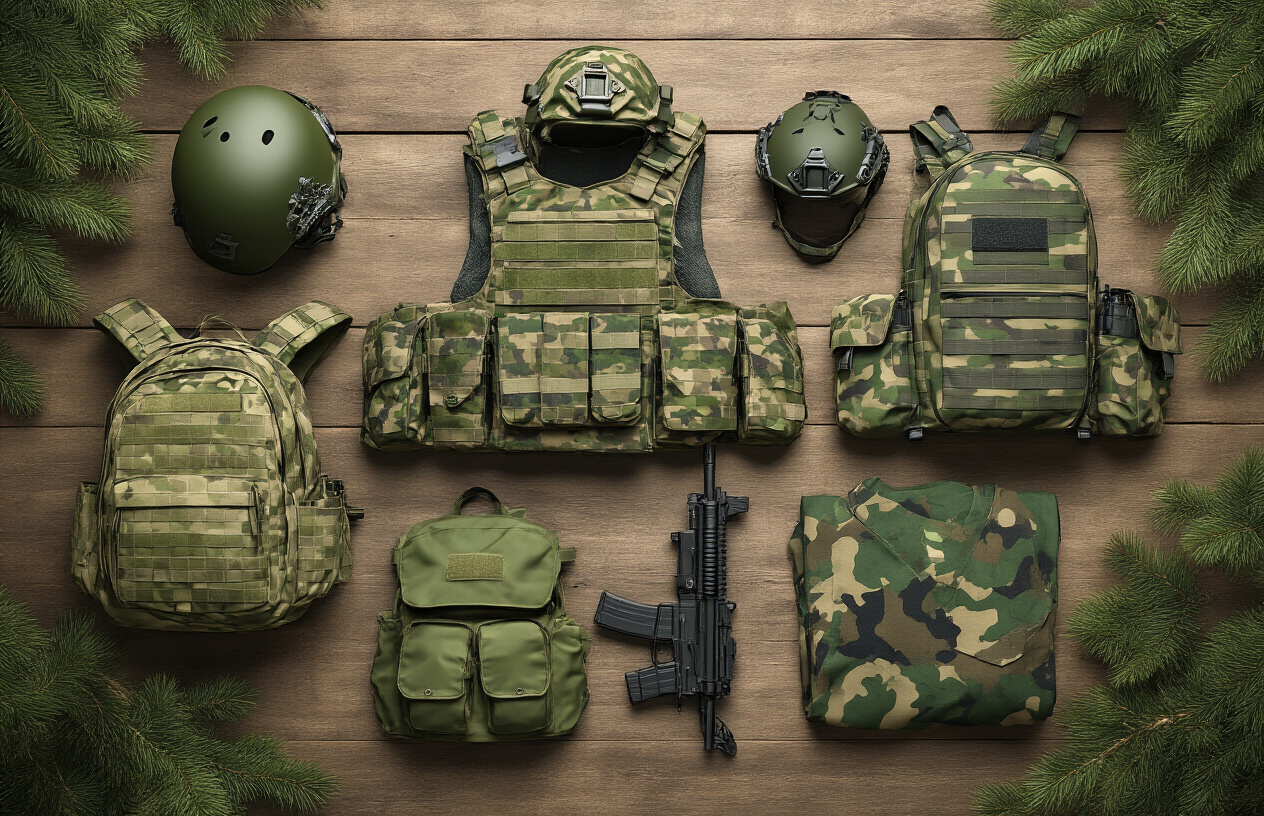
Green’s dominance in tactical gear stems from nature’s own design blueprint. Chlorophyll, the pigment responsible for photosynthesis in plants, creates the most abundant color across Earth’s vegetation. This biological fact drove military strategists to recognize green as the foundation for effective concealment.
The chlorophyll molecule reflects specific wavelengths of light, creating what we perceive as green. This reflection pattern occurs consistently across different plant species, from dense jungle foliage to temperate forest canopies. Military researchers discovered that matching these natural green wavelengths in tactical clothing provides optimal concealment across diverse environments.
Tactical India manufacturers and global suppliers recognize this scientific principle when developing their rugged gear. The chlorophyll standard ensures that tactical equipment remains effective whether soldiers operate in Indian forests, European woodlands, or South American jungles. This universality reduces production costs and simplifies logistics for military operations worldwide.
Different shades of green found in best tactical clothing mirror the various stages of chlorophyll activity throughout plant lifecycles. Young leaves produce brighter greens, while mature foliage displays deeper, more muted tones. Military color palettes incorporate these variations to create multi-tonal camouflage patterns that break up human silhouettes effectively.
Seasonal Adaptability of Green-Based Color Systems
Green-based tactical systems excel because they adapt naturally to seasonal changes. Spring brings vibrant, fresh greens as new growth emerges. Summer intensifies these colors as chlorophyll production peaks. Autumn introduces yellowing and browning as chlorophyll breaks down, while winter maintains some evergreen presence in most environments.
Smart tactical gear designers create color systems that work across these seasonal transitions. Base green tones provide consistent concealment, while complementary colors handle seasonal variations. This approach means soldiers don’t need completely different uniforms for each season.
The seasonal adaptability proves especially valuable for extended operations. Trekking gear manufacturers apply similar principles, understanding that outdoor enthusiasts encounter changing vegetation throughout their journeys. A well-designed green-based system remains effective whether crossing spring meadows or autumn forests.
Temperature changes also affect how green appears to the human eye. Cooler conditions make greens appear more blue-tinted, while warmer weather shifts perception toward yellow-greens. Military color standards account for these temperature-related perception changes.
Psychological Impact of Green on Enemy Detection Response
Green triggers specific psychological responses that enhance its effectiveness in tactical applications. Human visual systems evolved to distinguish between different shades of green more accurately than any other color. This ability helped our ancestors identify edible plants and navigate forest environments. Paradoxically, this same sensitivity makes properly matched green camouflage nearly invisible.
The brain processes green as a “safe” color, associated with growth, life, and natural environments. When enemy forces scan terrain, their subconscious minds categorize green shapes as vegetation rather than threats. This psychological blind spot gives tactical operators significant advantages during reconnaissance and ambush operations.
Research shows that human eyes can distinguish between more shades of green than any other color – approximately 10 million different variations. However, when green tactical equipment matches local vegetation perfectly, this exceptional color discrimination works against detection rather than enhancing it.
Combat stress also affects how soldiers perceive colors. Under high stress, peripheral vision decreases and color perception shifts. Green remains one of the most stable colors during these psychological states, making green-based tactical systems more reliable when soldiers need them most.
The psychological comfort associated with green environments can also reduce stress levels in friendly forces. Operating in familiar-looking green terrain feels more natural and less threatening than stark, unfamiliar color environments.
Earth Tones and Desert Operations: Brown and Tan Tactical Applications
Sand and Soil Color Matching for Arid Environments
Desert operations demand tactical gear that seamlessly blends with the surrounding landscape of sandy dunes, rocky outcrops, and sun-bleached terrain. The primary challenge lies in matching the natural variations found in arid environments, which can shift dramatically throughout the day as light conditions change.
Professional tactical gear designed for desert use incorporates a carefully balanced palette of tans, browns, and beiges that mirror the dominant colors found in these harsh environments. The most effective desert camouflage patterns feature multiple shades ranging from pale sand to deep khaki, creating visual depth that breaks up the human silhouette against varied backgrounds.
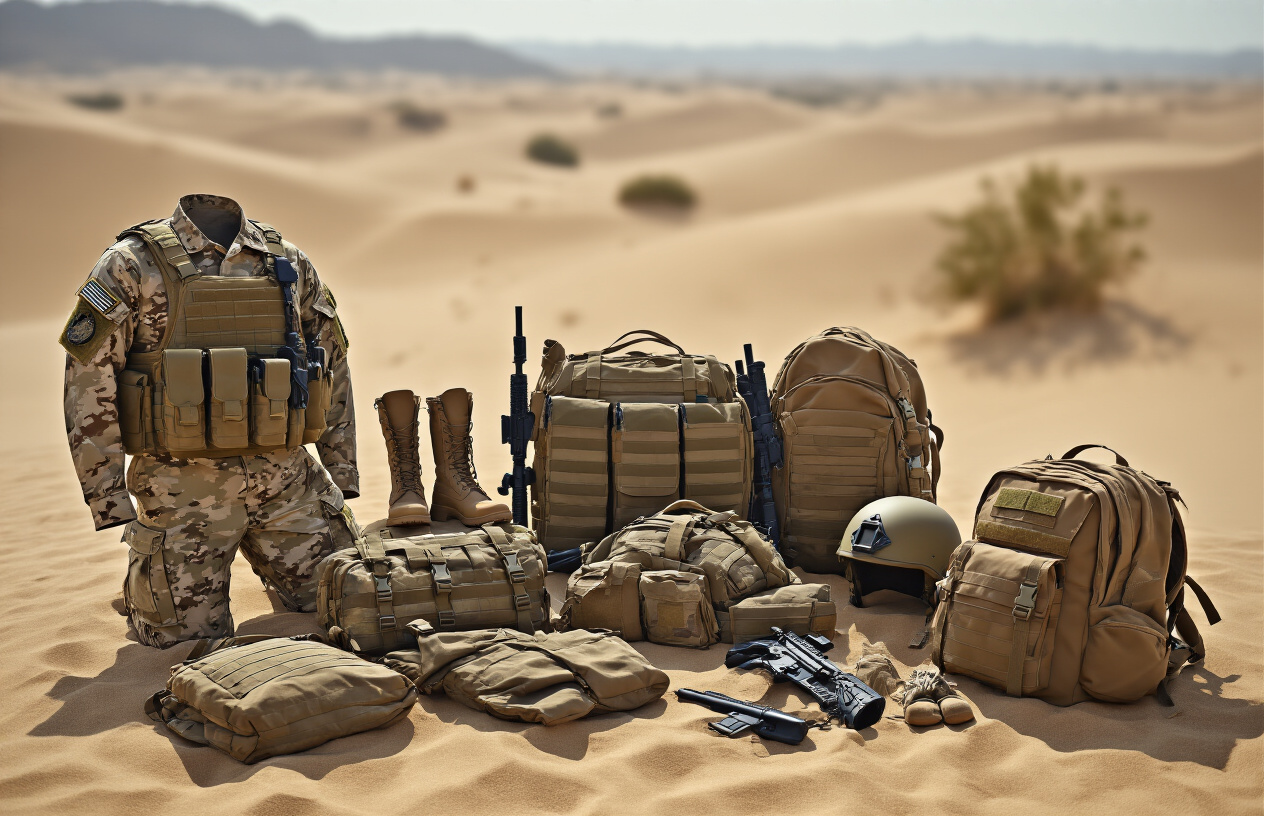
Military research has identified specific color values that provide optimal concealment across different desert types. The Sahara’s golden sands require lighter tan shades with yellow undertones, while the American Southwest’s red-rock deserts benefit from warmer browns with orange undertones. This scientific approach to color matching has revolutionized how manufacturers develop tactical clothing and rugged gear for specific operational theaters.
Heat Reflection Benefits of Lighter Earth Tones
Lighter earth tones serve a dual purpose in desert tactical applications – camouflage effectiveness and thermal management. The physics behind heat reflection shows that lighter colors absorb significantly less solar radiation compared to darker alternatives, making them essential for extended operations in extreme temperatures.
Studies conducted by military laboratories demonstrate that tactical gear in light tan and khaki colors can reduce surface temperatures by 15-20 degrees Fahrenheit compared to standard olive drab or black equipment. This temperature difference directly impacts operator comfort, endurance, and performance during prolonged missions.
The strategic use of light earth tones also prevents the rapid deterioration of equipment that occurs when darker materials absorb excessive heat. Synthetic fabrics and polymer components maintain their structural integrity longer when protected by reflective color properties, extending the operational lifespan of expensive tactical equipment.
| Color Shade | Heat Absorption Rate | Durability Factor | Camouflage Rating |
|---|---|---|---|
| Light Tan | Low | High | Excellent |
| Medium Brown | Moderate | Good | Very Good |
| Dark Khaki | Moderate-High | Fair | Good |
Urban Combat Advantages of Neutral Brown Shades
Modern urban environments present unique challenges where traditional green woodland patterns prove ineffective. Neutral brown shades have emerged as surprisingly versatile solutions for city-based operations, blending effectively with concrete structures, brick buildings, and weathered urban surfaces.
The best tactical clothing for urban operations often features muted brown tones that complement the earth-colored materials commonly used in construction worldwide. These shades work particularly well in industrial areas, construction zones, and older city districts where natural building materials create a predominantly brown-gray color palette.
Tactical operators have discovered that medium to dark brown gear provides excellent concealment against common urban backgrounds including shadows, doorways, and building materials. The psychological effect of neutral colors also reduces the intimidating appearance often associated with all-black tactical equipment, making it valuable for law enforcement and security applications where community relations matter.
Dust Integration Properties for Extended Field Use
Desert operations inevitably involve dust accumulation on equipment and clothing. Tactical gear designers have learned to leverage this reality by selecting earth tones that naturally integrate dust and dirt, maintaining camouflage effectiveness even as equipment becomes soiled during extended field use.
Brown and tan tactical gear develops a natural patina of dust and grime that actually enhances its camouflage properties over time. This self-improving characteristic makes earth-toned equipment ideal for long-duration missions where regular cleaning is impractical. The accumulated dust creates additional texture and color variation that further breaks up recognizable patterns.
Trekking gear and tactical equipment using earth tones also demonstrate superior longevity because dust integration masks normal wear patterns and minor stains that would be highly visible on darker or brighter colored gear. This practical advantage makes brown and tan the preferred choice for professionals who demand maximum performance from their equipment investment.
Black and Gray: The Urban Warfare Color Strategy
Shadow Blending Techniques in City Environments
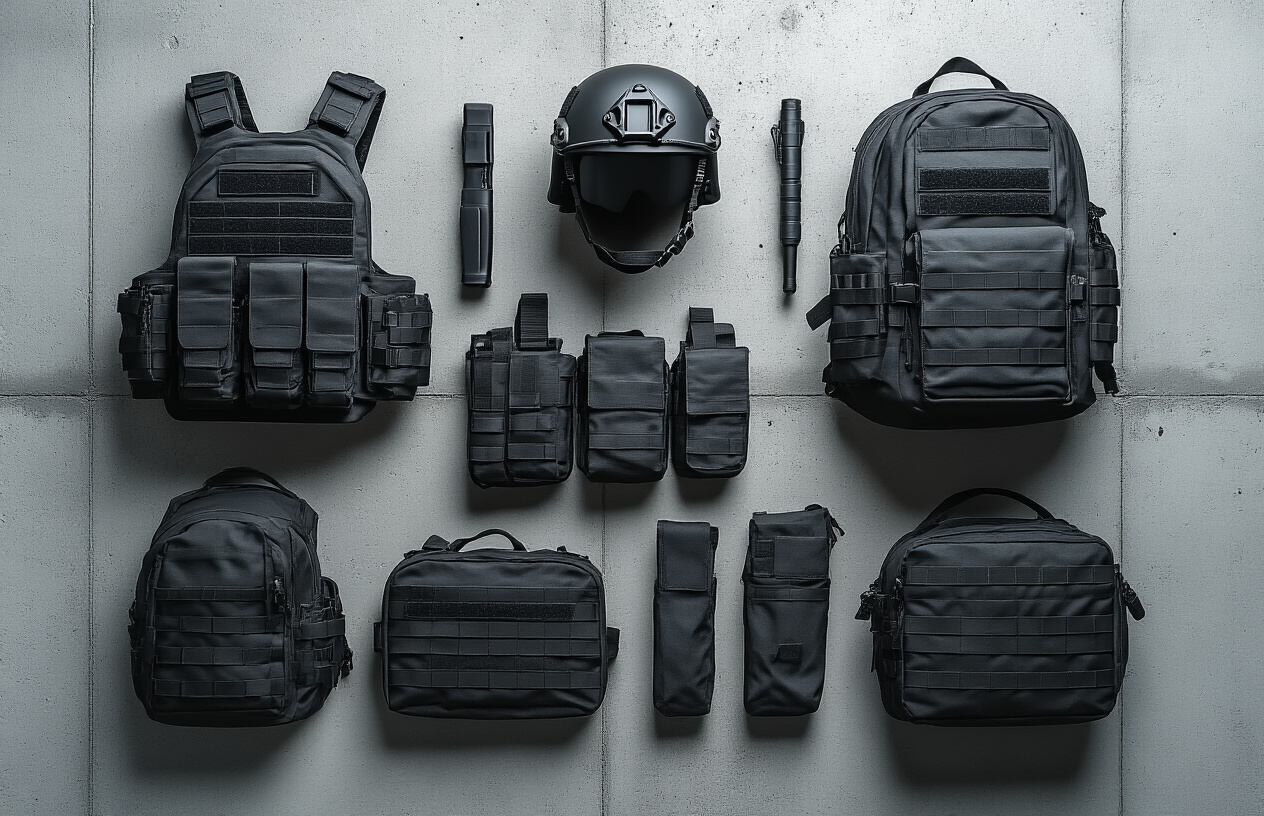
Urban warfare presents unique challenges that traditional woodland camouflage patterns can’t address. Cities create a complex tapestry of shadows, concrete surfaces, and artificial structures that demand specialized color strategies. Black and gray tactical gear excels in these environments because it mimics the natural shadows cast by buildings, vehicles, and infrastructure.
The science behind shadow blending lies in how our eyes perceive depth and contrast in urban settings. Buildings create strong vertical shadows, while overhangs and architectural features produce irregular shadow patterns. Gray shades help operators blend with concrete surfaces, weathered metal, and the general color palette of urban decay. Professional tactical teams discovered that pure black works best in deep shadow areas, while various gray tones handle the transitional spaces between light and shadow.
Modern tactical clothing manufacturers have developed multi-tonal gray patterns that incorporate darker and lighter elements. This approach breaks up the human silhouette against varied urban backgrounds. The key is matching the reflectance values of common city materials – asphalt, concrete, steel, and glass all reflect light differently, requiring tactical gear that can adapt to these varying surfaces.
Night Operation Visibility Reduction Methods
Darkness doesn’t automatically make black the perfect choice for night operations. The human eye adapts to low-light conditions differently than cameras and night vision equipment. Tactical gear designed for night operations uses specific black and dark gray combinations that minimize detection across multiple spectrums.
Night vision technology has revolutionized how tactical teams approach color selection. Standard night vision goggles amplify existing light, making certain black materials appear almost luminescent. Quality tactical manufacturers now use specialized black dyes and fabric treatments that reduce this “glow” effect. The goal is creating gear that remains invisible to both naked eye observation and electronic surveillance.
Urban night operations benefit from charcoal gray over pure black in many situations. Street lighting, neon signs, and vehicle headlights create ambient illumination that makes pure black stand out unnaturally. Charcoal gray blends better with the subtle lighting variations found in city environments after dark. Special operations units often prefer this approach because it provides better concealment in partially lit areas while maintaining effectiveness in complete darkness.
Industrial Setting Camouflage Applications
Industrial facilities present their own camouflage requirements that standard military patterns can’t address. Factories, warehouses, shipping yards, and manufacturing plants are dominated by metallic surfaces, machinery, and structural steel – all primarily gray, black, or dark metallic colors.
Rugged gear designed for industrial applications focuses on matching the specific color temperatures found in these environments. Galvanized steel has a distinctive bluish-gray appearance, while weathered iron takes on darker, rust-tinged tones. Tactical teams operating in these spaces need gear that can blend with both clean industrial surfaces and areas showing wear and corrosion.
The reflective properties of industrial materials create additional challenges. Polished metal surfaces can create bright reflections, while matte surfaces absorb light differently. Modern tactical gear addresses this through fabric treatments that control light reflection. Some manufacturers incorporate subtle metallic threads or coatings that mimic the light-scattering properties of industrial materials.
| Environment Type | Primary Colors | Key Considerations |
|---|---|---|
| Heavy Industry | Dark Gray, Black | Metal reflection, machinery shadows |
| Warehouses | Medium Gray, Charcoal | Concrete floors, steel shelving |
| Loading Docks | Black, Steel Gray | Vehicle exhaust stains, oil residue |
Industrial camouflage patterns often include geometric elements that mirror the structured environment of manufacturing facilities. Unlike organic patterns used in natural environments, industrial tactical gear incorporates angular shapes and linear elements that complement the man-made surroundings.
Scientific Color Theory Behind Military Shade Development
Human Eye Perception and Color Recognition Limitations
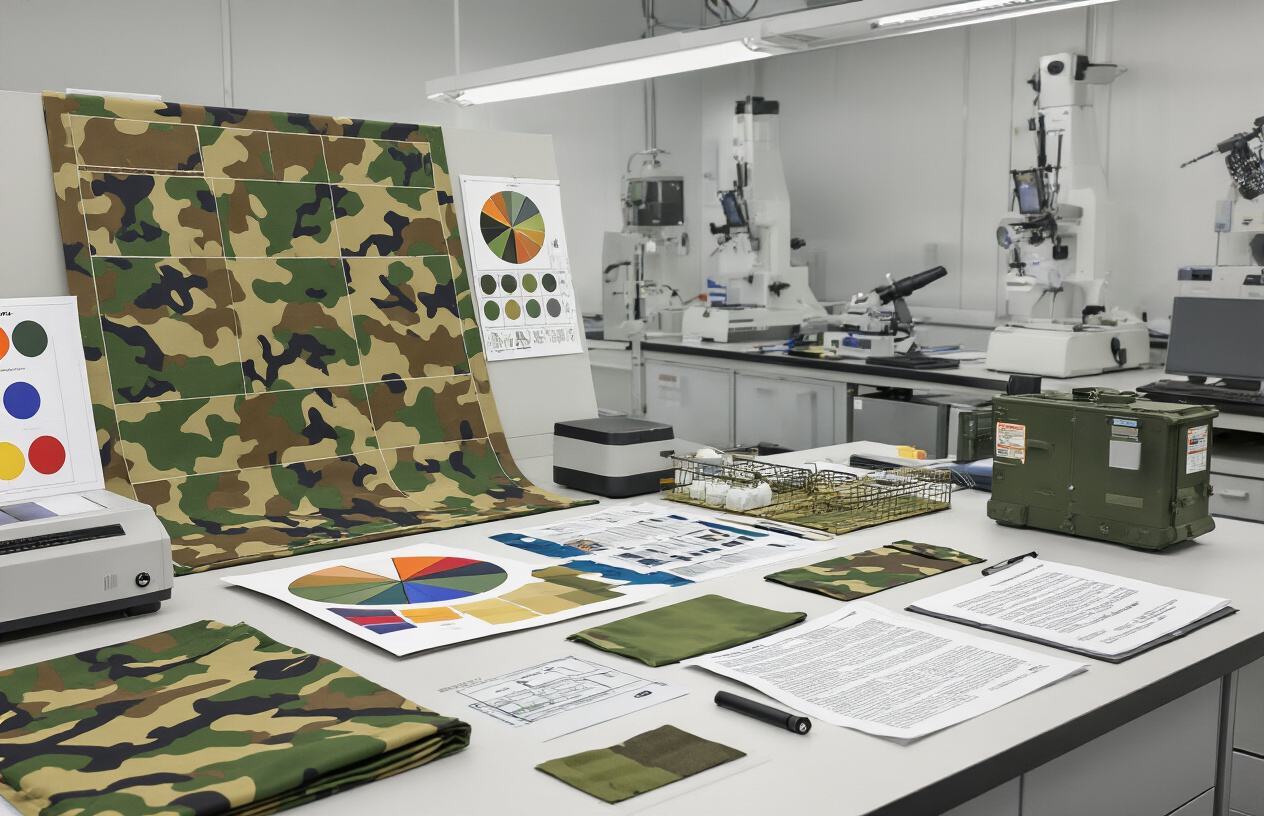
The human visual system plays a crucial role in determining the effectiveness of military coloring strategies. Our eyes contain three types of cone cells that detect red, green, and blue light wavelengths, but this trichromatic vision comes with specific limitations that military tacticians exploit when designing tactical gear.
Peak visual acuity occurs within a narrow band of wavelengths around 555 nanometers, which corresponds to yellow-green light. This explains why many tactical clothing designs incorporate muted greens and earth tones rather than vibrant colors. The eye’s ability to distinguish between similar colors decreases significantly in low-light conditions, making it harder to spot individuals wearing appropriately colored rugged gear.
Color contrast sensitivity varies dramatically between individuals, with most people struggling to differentiate between objects when the color difference falls below certain thresholds. Military shade developers leverage this weakness by creating patterns that hover just below these detection thresholds. The peripheral vision system, responsible for movement detection, processes color information differently than central vision, which influences how tactical patterns are distributed across gear surfaces.
| Color Wavelength | Human Sensitivity | Tactical Application |
|---|---|---|
| 380-450nm (Blue) | Low | Night operations |
| 495-570nm (Green) | High | Forest environments |
| 570-590nm (Yellow) | Peak | Desert transitions |
| 620-750nm (Red) | Moderate | Urban operations |
Infrared and Night Vision Compatibility Requirements
Modern warfare extends beyond visible light spectrum considerations, with infrared (IR) signatures becoming increasingly critical in tactical operations. Standard fabrics and dyes often appear dramatically different under IR imaging compared to visible light, potentially compromising concealment efforts regardless of visual camouflage effectiveness.
Near-infrared reflectance properties of materials must match natural environmental backgrounds to avoid detection by thermal imaging systems. Cotton and synthetic blends reflect IR differently, requiring specialized dye formulations that maintain consistent signatures across multiple spectrum bands. This dual-spectrum matching creates complex manufacturing challenges for tactical gear producers.
Night vision devices amplify available light in the 700-900 nanometer range, where human eyes cannot naturally see. Colors that appear similar in daylight may show stark contrasts under night vision amplification. Military textile engineers must test materials under multiple lighting conditions and imaging systems to ensure consistent concealment performance.
The integration of IR-reflective treatments with traditional camouflage patterns requires careful balance. Excessive IR suppression can create unnatural signatures that stand out against organic backgrounds, while insufficient treatment leaves personnel vulnerable to thermal detection systems commonly used in modern conflicts.
Color Blindness Considerations in Enemy Detection
Approximately 8% of males and 0.5% of females experience some form of color vision deficiency, creating both vulnerabilities and opportunities in military color strategy. Deuteranopia (green-blind) and protanopia (red-blind) are the most common forms, affecting how individuals perceive traditional camouflage patterns.
Color-blind individuals often demonstrate superior ability to detect camouflaged objects that successfully fool those with normal color vision. This phenomenon occurs because color-blind vision relies more heavily on brightness and contrast differences rather than hue variations. Military planners must account for this enhanced detection capability when developing tactical clothing and equipment.
Testing protocols for military colors now include evaluation under various color vision conditions to ensure effectiveness against diverse opposition forces. Some tactical advantages emerge from this consideration – patterns that appear well-camouflaged to color-normal vision might be easily spotted by color-blind observers, and vice versa.
Trekking gear manufacturers have begun adopting similar principles, recognizing that outdoor equipment benefits from the same visual science principles used in military applications. The crossover between military and civilian applications has accelerated development of advanced color technologies.
Weather Condition Impact on Color Effectiveness
Environmental conditions dramatically alter color perception and camouflage effectiveness throughout operational periods. Fog, rain, snow, and varying light angles change how colors appear to both human observers and detection equipment. Wet conditions typically darken colors while increasing reflectivity, potentially compromising concealment.
Atmospheric scattering affects different wavelengths unequally, with shorter blue wavelengths scattering more readily than longer red wavelengths. This natural phenomenon influences how colors appear at distance and explains why blue-heavy patterns often fail in long-range concealment scenarios.
Seasonal color changes in natural environments require adaptive camouflage strategies. The vibrant greens of spring vegetation differ significantly from the muted browns and yellows of autumn foliage. Best tactical clothing designs incorporate multi-seasonal color palettes that remain effective across environmental transitions.
Temperature variations affect material properties and color stability of dyes used in military applications. Extreme heat can shift color values, while freezing conditions may alter fabric reflectivity characteristics. Quality tactical india manufacturers must account for these environmental stresses when developing gear intended for diverse operational theaters.
Modern Technology’s Influence on Tactical Color Innovation
Digital Pattern Development Using Computer Analysis
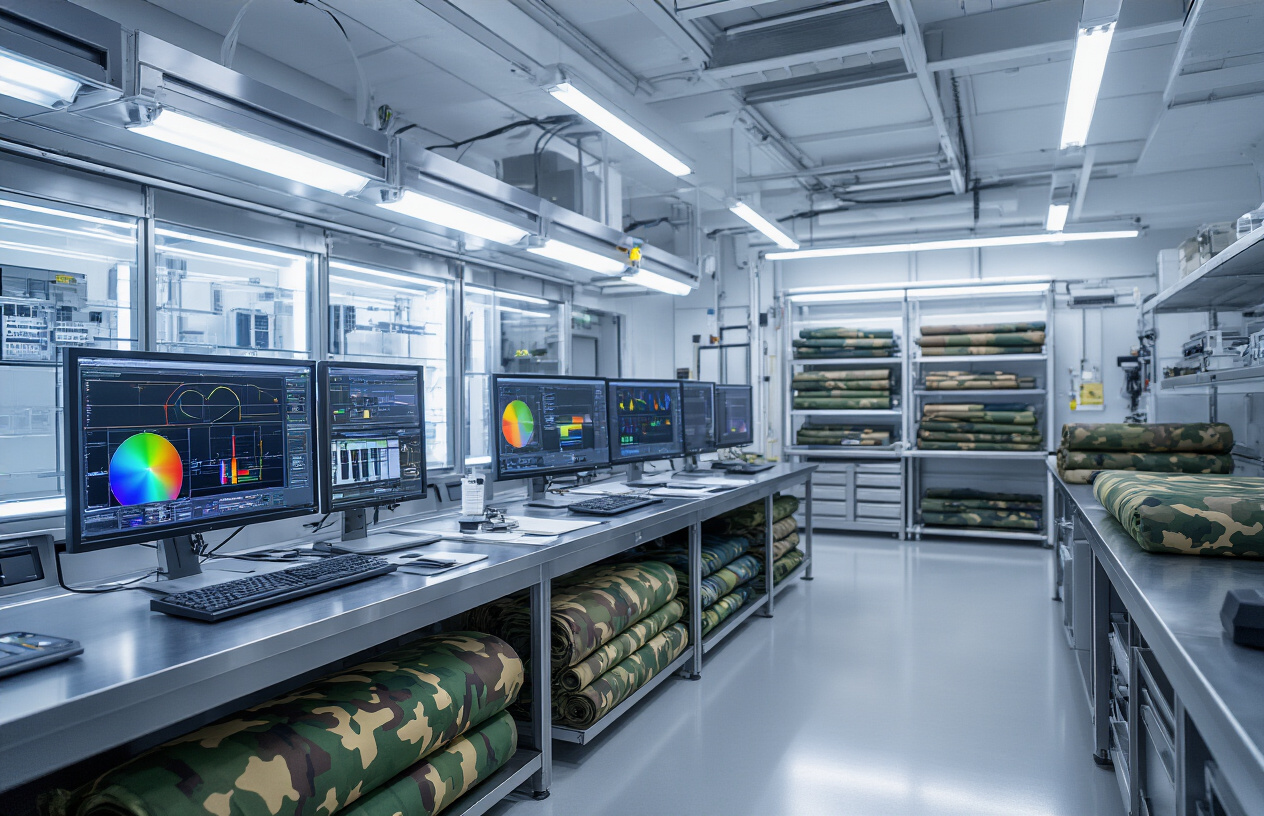
Military camouflage has entered a revolutionary phase where supercomputers analyze thousands of environmental variables to create the most effective patterns. Advanced algorithms now process vast databases of natural imagery, studying how light interacts with different surfaces throughout various seasons and times of day. These digital systems can identify micro-patterns in bark textures, leaf arrangements, and shadow distributions that human eyes might miss entirely.
The development process involves feeding millions of photographs from different terrains into machine learning systems. These computers analyze color frequency distributions, edge detection patterns, and spatial relationships between elements. The result? Digitally optimized camouflage that performs significantly better than traditional hand-designed patterns. Modern tactical gear manufacturers now rely on these computer-generated designs to create clothing and equipment that offers superior concealment capabilities.
Digital pattern development also considers the specific visual systems of potential threats. Computer analysis examines how different animals perceive colors and patterns, creating camouflage that works against both human observation and wildlife detection. This multi-layered approach ensures that tactical clothing remains effective across diverse operational scenarios.
Adaptive Camouflage Systems and Color-Changing Materials
The future of military concealment lies in materials that actively respond to their surroundings. Scientists have developed electrochromic fabrics that can shift colors based on electrical signals, mimicking the adaptive camouflage abilities found in cuttlefish and chameleons. These smart textiles contain microscopic cells filled with different colored particles that move in response to electrical charges.
Current prototypes can transition between multiple color schemes within seconds. A soldier wearing adaptive rugged gear could move from forest environments to desert terrain without changing equipment. The system uses embedded sensors that detect ambient light conditions, surrounding colors, and environmental factors to automatically adjust the fabric’s appearance.
Thermochromic materials represent another breakthrough in adaptive camouflage technology. These fabrics change color in response to temperature variations, helping break up the human thermal signature that infrared detection systems typically identify. The integration of these technologies into trekking gear and military equipment opens new possibilities for stealth operations.
Satellite Detection Avoidance Through Strategic Color Use
Modern warfare increasingly relies on satellite surveillance, forcing tactical color innovation to address overhead detection challenges. Researchers study how different colors appear from orbital perspectives, analyzing spectral signatures that satellites use to identify military assets and personnel.
Strategic color selection now considers multispectral imaging capabilities of modern reconnaissance satellites. These systems can detect objects across various electromagnetic wavelengths, not just visible light. Best tactical clothing manufacturers incorporate materials that minimize detection across infrared, near-infrared, and other spectral bands that satellites commonly monitor.
Counter-surveillance color strategies involve creating patterns that blend with natural terrain when viewed from above. This requires understanding seasonal vegetation changes, shadow patterns at different latitudes, and how man-made structures appear in satellite imagery. Advanced tactical gear now features colors specifically chosen to confuse automated target recognition systems used in satellite surveillance.
The development of metamaterials offers another avenue for satellite avoidance. These engineered materials can manipulate electromagnetic waves in ways that natural materials cannot, potentially making objects invisible to certain types of satellite sensors. Integration of these technologies into standard military equipment represents the cutting edge of tactical color innovation.
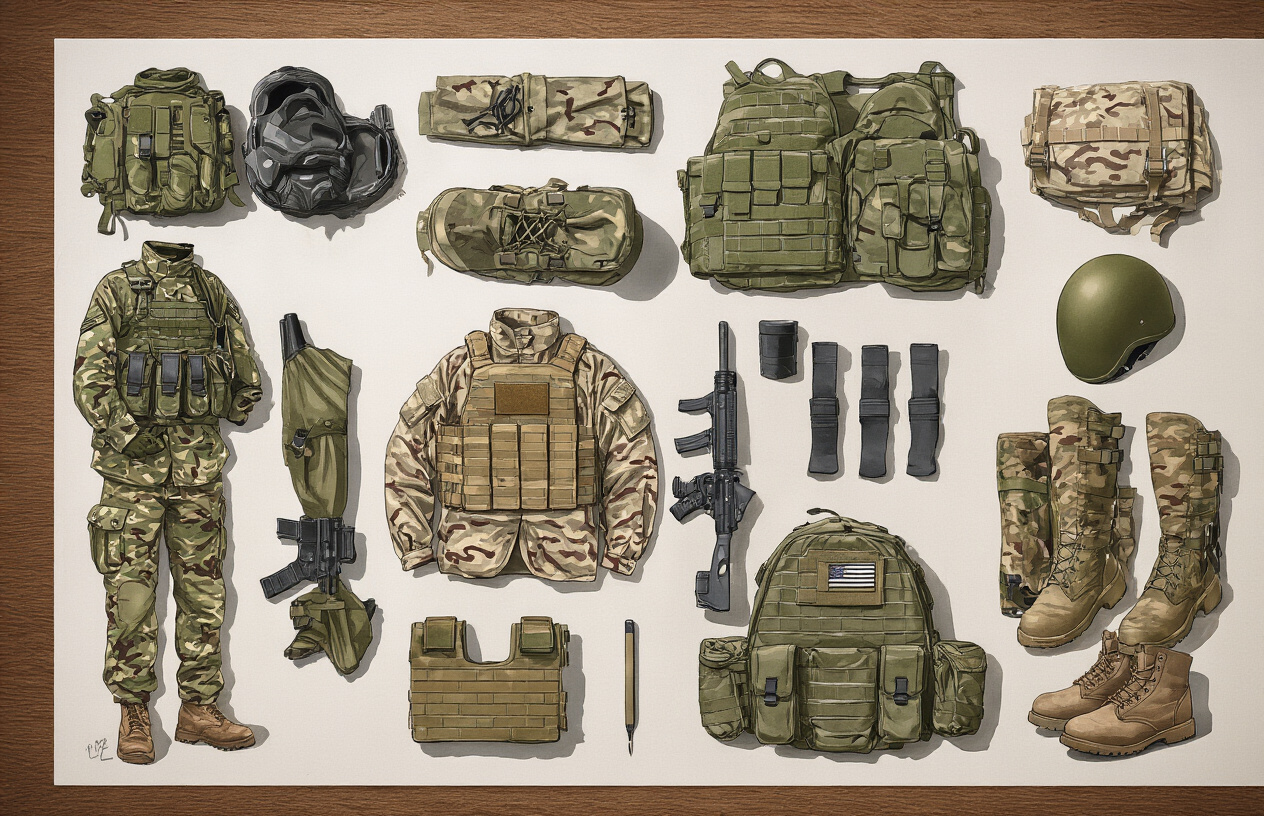
Military and tactical gear colors aren’t just random choices – they’re carefully engineered solutions backed by decades of research and real-world testing. From the green dominance in woodland environments to the earth tones that blend seamlessly with desert landscapes, each shade serves a specific purpose in keeping personnel safe and effective. The science behind these colors combines human vision research, environmental analysis, and advanced material technology to create gear that truly works when lives depend on it.
The evolution from basic camouflage patterns to today’s sophisticated color systems shows how military innovation continues to push boundaries. As technology advances, we’re seeing even smarter approaches to tactical coloring that adapt to different environments and lighting conditions. Next time you see military or tactical gear, you’ll know there’s serious science behind those seemingly simple color choices – and that knowledge might just help you make better decisions for your own outdoor adventures or professional needs.