
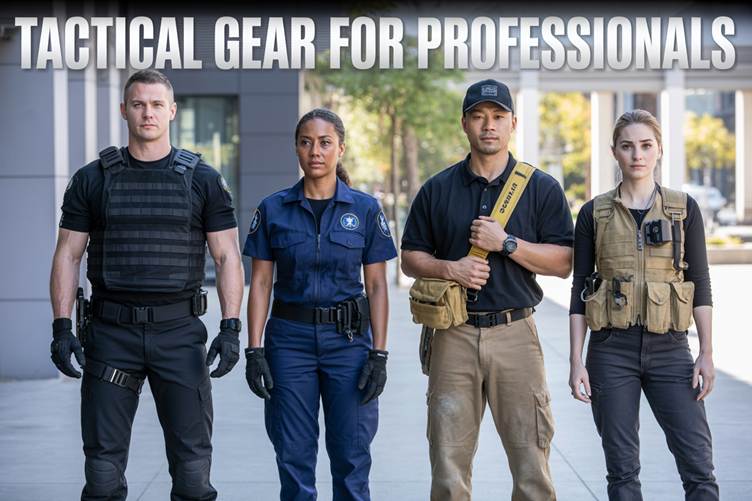
What Are Tactical Clothes and Accessories? How They Help Civilians in Different Professions
Tactical clothing for civilians has evolved far beyond its military origins to become essential gear for numerous professional fields. These specialized garments and accessories combine durability, functionality, and practicality to meet the demanding requirements of civilian work environments.
This comprehensive guide targets professionals across law enforcement, emergency services, construction, outdoor work, photography, and media industries who need reliable, high-performance clothing and equipment. Tactical gear benefits professionals by offering superior protection, enhanced mobility, and increased efficiency and extra storage options during daily operations.
The following sections explore the fundamental components that define civilian tactical equipment, examining how tactical accessories everyday use applications support various professions. Key topics include understanding essential gear components, analyzing specific benefits for law enforcement and security personnel, and evaluating the cost-effectiveness and long-term value proposition of investing in professional tactical apparel.
Each profession presents unique challenges that tactical clothing addresses through specialized features, materials, and design elements tailored to specific work environments and safety requirements.
Understanding Tactical Clothing and Accessories Fundamentals
Define Tactical Gear and Its Military Origins
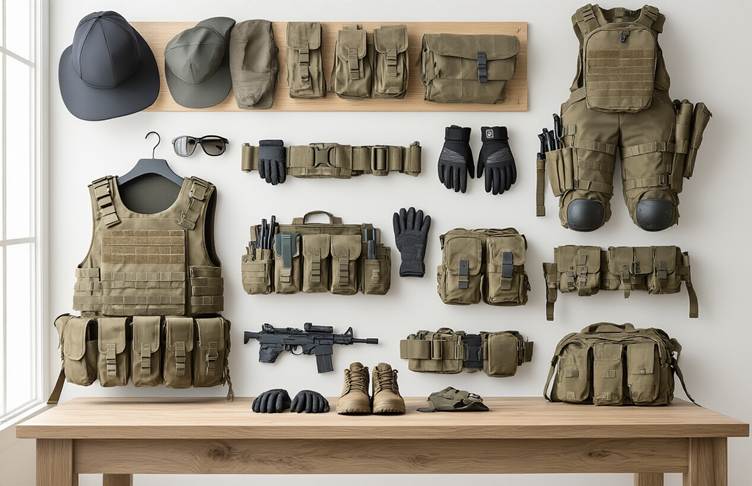
Tactical clothing and accessories trace their roots back to military and law enforcement applications, where performance under extreme conditions matters most. Originally designed for soldiers and special operations units, this specialized gear evolved from the need for clothing that could withstand harsh environments while providing maximum functionality. The military’s rigorous testing standards and real-world battlefield requirements shaped the development of materials, designs, and features that define tactical wear today.
The transition from military-exclusive to civilian tactical equipment began as veterans entered various civilian professions, bringing their appreciation for high-quality, functional gear. Security contractors, outdoor professionals, and emergency responders recognized the value of clothing designed for demanding situations. This crossover created a thriving market for tactical clothing for civilians across multiple industries.
Materials and Construction Standards for Durability
The construction of professional tactical apparel relies on premium materials engineered for extreme durability and performance. Ripstop fabrics, typically made from nylon or polyester blends, resist tearing and provide lightweight strength. These materials often incorporate treatments for water resistance, stain resistance, and UV protection.
Cordura nylon represents the gold standard for tactical applications, offering exceptional abrasion resistance and tear strength. Many manufacturers blend Cordura with other synthetic fibers to achieve optimal combinations of durability, comfort, and flexibility. Cotton-polyester blends, particularly in ripstop weaves, provide breathability while maintaining the rugged characteristics required for demanding work environments.
Construction techniques employed in tactical gear manufacturing exceed typical clothing industry standards. Double and triple-stitched seams, bartacked stress points, and reinforced pocket edges ensure longevity under heavy use. Hardware components like buckles, zippers, and fasteners undergo rigorous testing to meet or exceed military specifications.
Quality control processes for tactical gear often mirror military procurement standards, with batch testing and material certifications ensuring consistent performance. This attention to detail results in products that maintain their functionality and appearance through extensive use and washing cycles.
Common Types of Tactical Clothing and Accessories
The tactical clothing market encompasses a comprehensive range of garments and accessories designed for specific applications. Tactical gear benefits professionals across various fields through specialized categories of equipment.
Tactical pants form the foundation of most professional tactical outfits, featuring cargo pockets, reinforced knees, and articulated designs for enhanced mobility. BDU (Battle Dress Uniform) style pants, ripstop tactical pants, and convertible pants that zip off to shorts provide options for different work environments.
Tactical shirts include both short and long-sleeve options with features like chest pockets, pen holders, and ventilation panels. Polo-style tactical shirts offer a professional appearance while maintaining functional elements for civilian use.
Tactical boots combine military-grade durability with workplace safety features, often including steel toes, slip-resistant soles, and ankle support systems. Different height options from low-cut to over-the-ankle designs cater to specific professional requirements.
Tactical vests and plate carriers provide load distribution for equipment while offering protection options. These range from lightweight chest rigs to full tactical vests with integrated armor capabilities.
Tactical accessories encompass a vast array of equipment including:
- Multi-tool pouches and holsters
- Radio and communication equipment holders
- Medical supply pouches
- Tactical gloves with cut and puncture resistance
- Tactical belts with quick-release systems
- Knee and elbow pads for additional protection
- Tactical eyewear with impact resistance and UV protection
The modularity of tactical systems allows professionals to customize their gear loadout based on specific job requirements, creating personalized solutions that enhance efficiency and safety across diverse work environments.
Essential Tactical Gear Components for Civilian Use
Multi-pocket cargo pants and tactical shirts
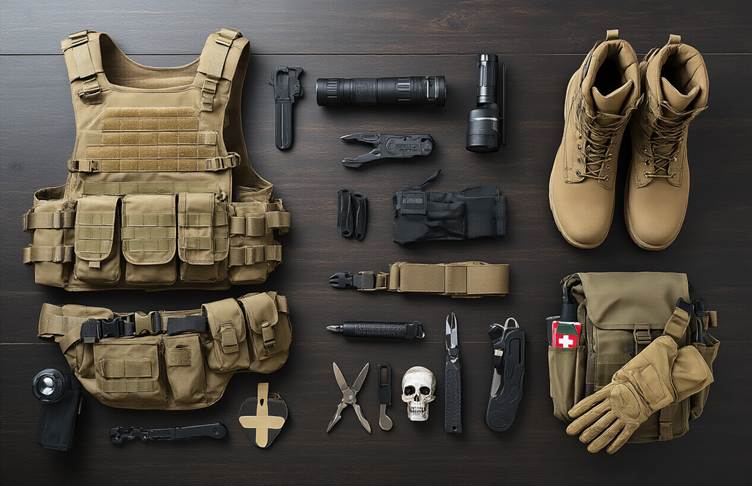
Multi-pocket cargo pants represent the cornerstone of tactical clothing for civilians, offering exceptional storage capacity and durability for various professional applications. These pants typically feature 6-12 strategically placed pockets, including reinforced cargo pockets, tool loops, and zippered compartments. The design allows professionals to carry essential equipment without compromising mobility or accessibility.
High-quality tactical pants incorporate ripstop fabric construction, typically made from cotton-polyester blends or nylon materials. This construction provides tear resistance while maintaining breathability. Key features include articulated knees for enhanced flexibility, reinforced stress points, and adjustable waistbands for extended wear comfort.
Tactical shirts complement the pant system with similar design principles. These shirts feature multiple chest pockets with pen slots, document compartments, and equipment loops. Many models include shoulder patches for identification and radio microphone clips. The shirts often incorporate moisture-wicking fabrics and ventilation panels to maintain comfort during extended use.
Tactical boots and protective footwear options
Professional tactical apparel extends to specialized footwear designed to meet diverse occupational demands. Tactical boots provide superior ankle support, puncture-resistant soles, and slip-resistant treads suitable for various terrain conditions. Construction typically involves full-grain leather or synthetic materials with reinforced toe caps and heel counters.
Protective features include steel or composite toe protection, electrical hazard resistance, and waterproof membranes. Many tactical boots incorporate side-zip systems for rapid donning while maintaining lace security. The sole construction often features oil and chemical resistance, making them suitable for industrial environments.
| Boot Type | Primary Features | Professional Applications |
| Combat Boots | Ankle support, durability | Security, law enforcement |
| Work Boots | Toe protection, slip resistance | Construction, maintenance |
| Hiking Boots | Terrain grip, weather protection | Outdoor professionals, surveyors |
Utility belts and modular carrying systems
Modern utility belts and modular carrying systems revolutionize how professionals organize and access essential tools. These systems typically feature MOLLE (Modular Lightweight Load-carrying Equipment) compatibility, allowing users to customize their setup based on specific job requirements.
Tactical accessories everyday use includes belt-mounted pouches for radios, flashlights, multi-tools, and first aid supplies. The modular design enables quick reconfiguration as work demands change. Quality belts feature reinforced stitching, heavy-duty buckles, and load-bearing capabilities up to 25 pounds of equipment.
Carrying systems extend beyond traditional belts to include chest rigs, shoulder harnesses, and backpack systems. These options distribute weight more effectively and provide additional storage capacity for extended operations.
Weather-resistant outerwear and base layers
Weather protection remains critical for outdoor professionals, making tactical outerwear an essential component of civilian tactical equipment. Quality tactical jackets feature waterproof-breathable membranes, sealed seams, and adjustable ventilation systems. Design elements include storm flaps, reinforced shoulders, and multiple pocket configurations.
Base layer systems work in conjunction with outerwear to provide temperature regulation and moisture management. These garments typically use synthetic or merino wool materials that wick moisture away from the skin while providing insulation properties. Layering systems allow professionals to adapt to changing environmental conditions throughout their workday.
Soft shell jackets offer a middle-ground solution, providing wind and water resistance with enhanced breathability compared to hard shell alternatives. These garments often feature stretch panels for improved mobility and abrasion-resistant reinforcements in high-wear areas.
Protective eyewear and headgear
Tactical gear benefits professionals through comprehensive head and eye protection systems designed for occupational hazards. Tactical eyewear exceeds standard safety requirements with ballistic-rated lenses, wraparound designs, and interchangeable lens systems. Anti-fog coatings and prescription lens compatibility ensure clear vision in all conditions.
Headgear options range from tactical caps with integrated LED lighting to bump helmets with communication systems. Baseball-style tactical caps often feature loop panels for patches, reinforced visors, and moisture-wicking sweatbands. For higher-risk environments, bump helmets provide impact protection while accommodating night vision equipment and communication headsets.
Many protective headgear systems incorporate modular components, allowing users to add accessories such as face shields, hearing protection, or camera mounts based on specific operational requirements.
Law Enforcement and Security Personnel Benefits
Enhanced Equipment Carrying Capacity for Duty Gear
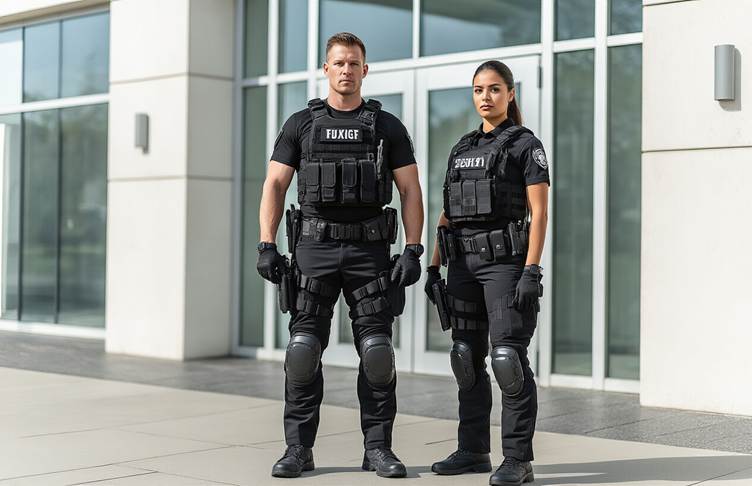
Tactical clothing for law enforcement revolutionizes how officers manage their essential equipment throughout demanding shifts. The strategic placement of pockets, attachment points, and specialized compartments transforms standard uniforms into comprehensive gear management systems.
Modern tactical pants feature reinforced cargo pockets designed to accommodate radio equipment, handcuffs, flashlights, and backup ammunition without creating bulk or restricting movement. These pockets often include internal organization systems with smaller compartments for items like pens, notebooks, and personal protective equipment. The weight distribution across multiple attachment points prevents the sagging and discomfort associated with traditional duty belts loaded with heavy equipment.
Tactical gear benefits professionals through modular attachment systems that allow customization based on specific operational requirements. MOLLE (Modular Lightweight Load-carrying Equipment) webbing integrated into shirts and jackets enables officers to attach pouches, holsters, and specialized equipment holders directly to their clothing. This system reduces reliance on duty belts while improving accessibility to critical tools.
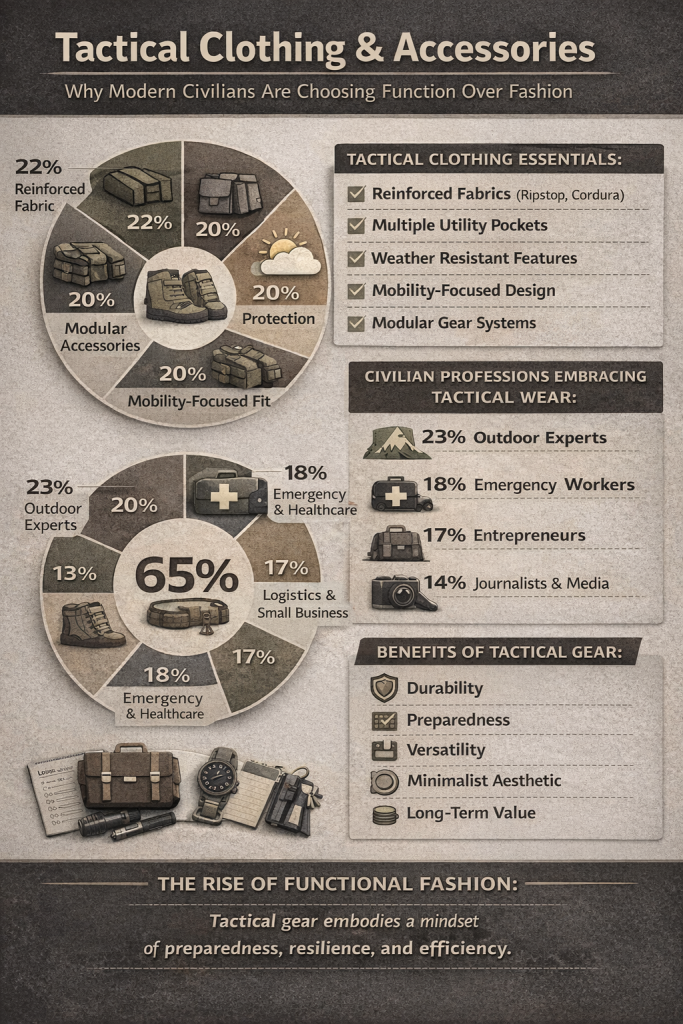
Specialized tactical vests and plate carriers designed for civilian law enforcement provide additional carrying capacity while maintaining a professional appearance. These garments feature multiple magazine pouches, radio holders, and utility pockets that keep essential equipment organized and immediately accessible. The load-bearing design distributes weight evenly across the torso, reducing strain on the lower back and hips.
Improved Mobility and Comfort During Long Shifts
Extended patrol duties and prolonged surveillance operations demand clothing that maintains comfort and flexibility throughout 12-hour shifts. Tactical clothing law enforcement professionals rely on incorporates advanced fabric technologies and ergonomic design principles that address the physical demands of police work.
Stretch panels strategically placed in high-movement areas allow officers to run, climb, and maneuver without restriction. Reinforced knees and seat areas withstand the wear associated with kneeling, crawling, and sitting in patrol vehicles for extended periods. The articulated knee design found in quality tactical pants follows natural leg movement, preventing binding and discomfort during dynamic activities.
Moisture-wicking fabrics keep officers dry and comfortable during physically demanding situations or hot weather conditions. These materials pull perspiration away from the skin while allowing air circulation, preventing the buildup of bacteria and odors that can occur during long shifts. Temperature regulation becomes particularly important for officers working in varied climates or transitioning between indoor and outdoor environments.
Professional tactical apparel includes features like gusseted crotches and underarm panels that prevent tearing and provide additional range of motion. These design elements prove essential when officers need to pursue suspects, climb barriers, or perform emergency rescues. The durability of tactical clothing also means fewer uniform replacements and consistent appearance throughout the garment’s lifespan.
Professional Appearance While Maintaining Functionality
Security personnel and law enforcement officers must project authority and professionalism while ensuring their clothing supports operational effectiveness. Tactical accessories everyday use by these professionals includes items that enhance both function and appearance.
Clean lines and tailored fits distinguish quality tactical clothing from military surplus or overly casual options. The professional aesthetic builds public trust while ensuring officers can perform their duties effectively. Color options typically include navy, black, and dark gray that photograph well and maintain a serious, authoritative appearance appropriate for court appearances and community interactions.
Hidden features maintain the professional look while providing tactical advantages. Concealed carry options, reinforced areas, and specialized pockets remain invisible to casual observation but offer significant operational benefits. Badge tabs, name tape attachment points, and rank insignia placement follow traditional uniform standards while incorporating tactical enhancements.
Civilian tactical equipment designed for security professionals often includes subtle branding and logos that don’t detract from the professional appearance. Quality construction techniques like flat-fell seams and reinforced stress points ensure garments maintain their shape and appearance even after repeated washing and extended wear.
The balance between professional appearance and tactical functionality extends to accessories like duty boots, belts, and outerwear. These items complement the overall uniform appearance while providing the durability and features necessary for law enforcement duties.
Emergency Response and Medical Professionals Applications
Quick Access to Life-Saving Tools and Equipment
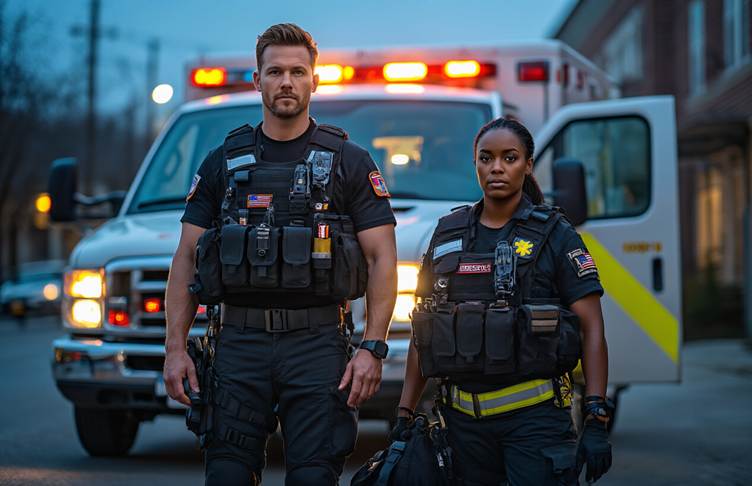
Emergency responders and medical professionals rely heavily on tactical gear emergency responders can trust when seconds matter most. The specialized pocket systems and modular attachments found in tactical clothing allow paramedics, EMTs, and emergency medical technicians to organize critical equipment strategically across their person. Multi-tool pouches, trauma shears holsters, and designated slots for stethoscopes transform standard uniforms into life-saving command centers.
Professional tactical apparel designed for medical use features breakaway closures and magnetic fasteners that enable one-handed access to essential tools. During cardiac emergencies or trauma situations, the ability to retrieve defibrillator pads, epinephrine auto-injectors, or intubation equipment within seconds can determine patient outcomes. The reinforced belt systems common in tactical wear support the weight of medical devices without compromising mobility or causing fatigue during extended shifts.
Durable Protection in Hazardous Environments
Medical and emergency personnel frequently encounter dangerous conditions that demand superior protective capabilities. Tactical clothing for civilians in healthcare settings offers flame-resistant materials, chemical-resistant coatings, and puncture-proof panels that standard medical scrubs cannot provide. Emergency room staff dealing with aggressive patients benefit from slash-resistant fabrics and reinforced stress points that prevent tearing during physical altercations.
First responders working accident scenes or disaster areas require clothing that withstands extreme temperatures, sharp debris, and contaminated surfaces. Tactical pants with reinforced knees and seats protect against cuts from broken glass and metal fragments. The ripstop fabrics commonly used in tactical clothing prevent small tears from expanding into major damage, ensuring protective integrity throughout demanding shifts.
Organized Storage for Medical Supplies and Instruments
The complexity of medical equipment requires sophisticated organization systems that tactical accessories everyday use principles have perfected. Dedicated compartments for different medication classes, sterile instrument storage, and quick-deployment pouches for emergency drugs create efficient workflow patterns. Color-coded zippers and tactile identifiers allow professionals to locate specific items without visual confirmation, crucial during low-light emergency scenarios.
Tactical vests and load-bearing systems distribute weight evenly across the torso, preventing back strain while carrying extensive medical supplies. Modular pouches accommodate varying equipment loads based on specific assignments, whether responding to cardiac emergencies, trauma calls, or infectious disease situations. The MOLLE (Modular Lightweight Load-carrying Equipment) attachment systems enable rapid reconfiguration of storage layouts to match mission requirements.
Increased Storage for Tools and Safety Equipment
Tool organization directly impacts work efficiency and safety compliance. Civilian tactical equipment designed for outdoor workers incorporates strategic pocket placement and specialized compartments that keep essential tools accessible while maintaining balance and mobility.
Multi-functional pocket systems typically include:
- Utility pockets with reinforced bottoms for heavy tools
- Pen holders and small tool loops on sleeves and chest areas
- Phone pockets with secure closures and cable management
- Safety equipment loops for carabiners, badge holders, and radio clips
- Hidden pockets for valuables and identification
Tactical vests and chest rigs provide additional storage without interfering with safety harnesses or equipment belts. These systems distribute weight evenly across the torso, reducing back strain while keeping frequently used items within easy reach. Modular designs allow workers to customize their setup based on specific job requirements.
Professional tactical apparel often features internal organization systems with elastic loops and dividers that prevent tools from shifting during movement. This reduces noise, prevents damage to sensitive equipment, and maintains quick access to critical tools during emergencies.
The integration of modern materials like hook-and-loop fasteners, magnetic closures, and silent zippers ensures that storage solutions remain functional in all weather conditions while minimizing noise that could interfere with communication or alertness requirements. These tactical gear benefits professionals experience translate directly to improved job performance and reduced equipment loss.
Photography and Media Professionals Utilization
Secure Storage for Expensive Camera Equipment
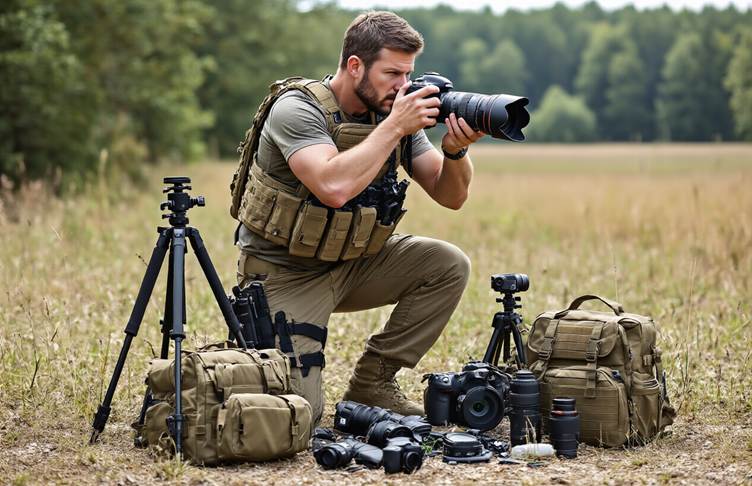
Photography and media professionals routinely transport thousands of dollars worth of delicate equipment through unpredictable environments. Tactical clothing for civilians working in these fields provides specialized storage solutions that go far beyond what standard camera bags offer. Multi-compartment vests and tactical pants feature reinforced pockets specifically designed to cradle sensitive electronics while protecting them from impact damage.
Professional photographers covering events, sports, or news assignments benefit from tactical vests with customizable MOLLE (Modular Lightweight Load-carrying Equipment) panels. These systems allow photographers to configure storage spaces based on specific shoot requirements – whether carrying multiple lenses, battery packs, memory cards, or specialized filters. The rigid construction of tactical storage prevents expensive gear from shifting during movement, reducing wear and potential damage.
Video production crews particularly appreciate tactical clothing’s ability to distribute weight evenly across the body. When carrying heavy camera batteries, wireless transmitters, and audio equipment for extended periods, tactical gear’s ergonomic design prevents strain and fatigue that could compromise shoot quality.
Comfortable Gear for Extended Field Work
Documentary filmmakers and photojournalists often work 12-16 hour days in challenging conditions. Tactical gear benefits professionals through moisture-wicking fabrics and strategic ventilation panels that maintain comfort during marathon shooting sessions. The ergonomic cut of tactical clothing accommodates the repetitive motions required for camera operation without restricting movement or causing chafing.
Tactical pants designed for media professionals feature articulated knees and gusseted crotches that allow photographers to assume various shooting positions – from ground-level macro shots to elevated angles – without fabric binding or tearing. Reinforced knees protect against abrasion when kneeling on rough surfaces during outdoor shoots.
The adjustable nature of tactical gear proves invaluable for media professionals who work in varying climates and seasons. Removable padding, adjustable straps, and layering compatibility ensure consistent comfort whether shooting a winter sports event or a summer concert festival.
Weather Protection for Equipment and Personnel
Media professionals cannot reschedule shoots due to weather conditions. Tactical accessories everyday use includes weather-resistant clothing that protects both the operator and equipment from environmental hazards. Water-resistant tactical jackets with storm flaps prevent moisture from reaching sensitive electronics stored in chest pockets or vest compartments.
Tactical clothing’s weather protection extends beyond rain resistance. Windproof fabrics shield photographers from harsh conditions during outdoor events, while UV-resistant materials protect against sun exposure during all-day shoots. This protection maintains professional appearance and prevents heat-related fatigue that could impact performance.
Equipment protection becomes critical when shooting in dusty environments like construction sites or sandy beaches. Tactical gear’s sealed pocket systems and zipper guards prevent particulates from contaminating camera sensors or lens elements, reducing cleaning time and potential damage.
Hands-Free Carrying Solutions for Mobility
Modern media production demands constant mobility, making traditional camera bags impractical for many situations. Professional tactical apparel offers integrated carrying systems that keep essential equipment accessible while maintaining full hand mobility for camera operation.
Quick-access chest pouches allow photographers to retrieve fresh batteries or memory cards without breaking focus from their subjects. Side-mounted holsters accommodate wireless camera triggers, light meters, and other frequently-used tools. These hands-free solutions prove essential when shooting fast-moving subjects or working in crowds where traditional bags would be cumbersome.
The modular design of tactical carrying systems adapts to different shooting scenarios. Sports photographers can configure gear for rapid lens changes, while portrait photographers might prioritize lighting equipment access. This flexibility ensures civilian tactical equipment serves diverse professional needs without compromising efficiency or safety.
Cost-Effectiveness and Long-Term Value Proposition
Reduced replacement frequency compared to regular clothing
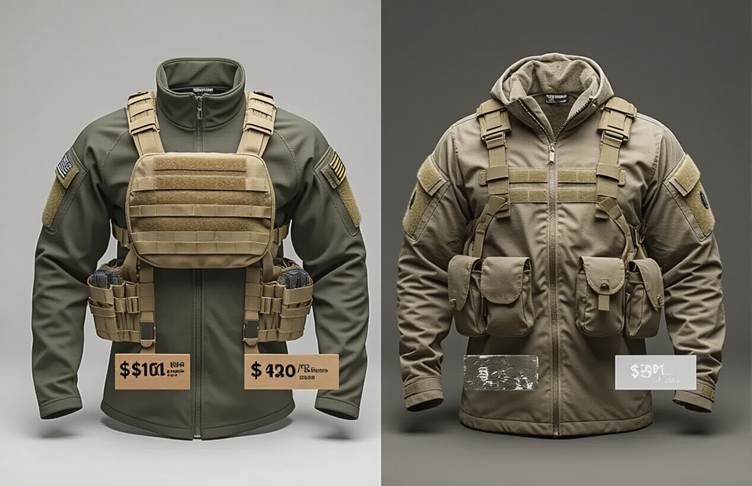
Tactical clothing for civilians delivers exceptional durability that standard workwear simply cannot match. The construction quality of professional tactical apparel includes reinforced stress points, heavy-duty stitching, and premium materials designed to withstand daily wear and tear. While regular work clothes might last six months to a year under demanding conditions, quality tactical gear often performs reliably for three to five years.
The ripstop fabrics commonly used in tactical clothing resist tears and punctures that would compromise ordinary garments. Double-knee reinforcements, bartacked seams, and industrial-grade hardware contribute to longevity that translates directly into cost savings. A security professional wearing tactical pants daily might replace standard work trousers four times before their tactical equivalent shows significant wear.
This extended lifespan becomes particularly valuable for professionals whose clothing faces constant abuse. Construction workers, law enforcement officers, and emergency responders find that tactical clothing maintains its structural integrity and professional appearance long after conventional alternatives have failed.
Professional appearance enhancing career advancement opportunities
Investment in quality tactical gear benefits professionals creates a polished, competent appearance that positively impacts career progression. The clean lines, professional color schemes, and well-fitted design of modern tactical clothing project competence and attention to detail that supervisors and clients notice.
Security personnel wearing properly fitted tactical uniforms command more respect and authority than those in ill-fitting or worn-out standard uniforms. This enhanced professional presence often translates into better client relationships, increased responsibilities, and advancement opportunities.
Construction supervisors and project managers find that tactical work clothing helps bridge the gap between field work and office presentations. The same tactical shirt that performs well on a job site looks appropriate in client meetings, eliminating the need for separate professional wardrobes.
Law enforcement officers report that quality tactical clothing cost effective solutions contribute to public perception and professional credibility. The sharp appearance of well-maintained tactical gear reinforces community trust and can influence performance evaluations and promotion considerations.
The investment in professional tactical apparel pays dividends through improved workplace confidence, enhanced credibility with colleagues and clients, and the practical benefits that support superior job performance. These factors combine to create career advancement opportunities that far exceed the initial clothing investment.
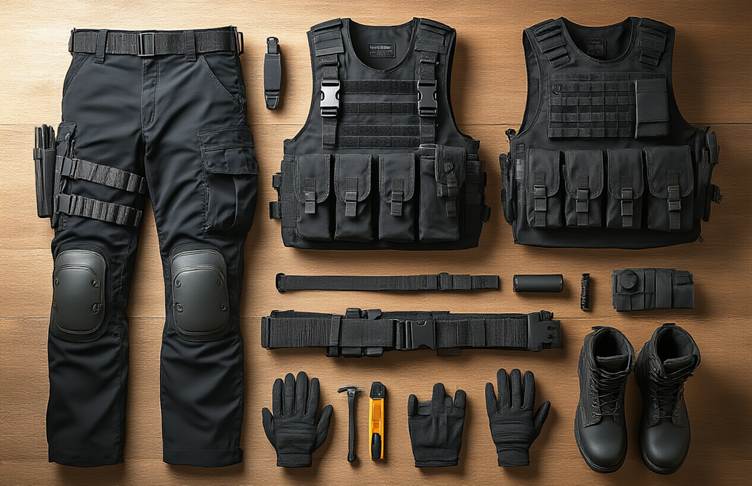
Tactical clothing and accessories have evolved far beyond military applications, offering practical solutions for numerous civilian professions. These specialized garments and gear provide enhanced durability, functionality, and protection across diverse work environments. From reinforced fabrics and strategic pocket placement to weather-resistant materials and ergonomic designs, tactical equipment addresses real workplace challenges that standard clothing simply cannot handle.
The versatility of tactical gear makes it valuable for law enforcement officers requiring quick equipment access, medical professionals needing reliable storage solutions, construction workers facing harsh conditions, and photographers managing multiple tools in challenging environments. While the initial investment may seem higher than conventional alternatives, the long-term value becomes clear through reduced replacement costs, improved job performance, and enhanced safety. For professionals seeking reliable, functional workwear that adapts to demanding situations, tactical clothing and accessories represent a smart investment in both career effectiveness and personal protection.